


Table of Contents
- What Makes Jewelry Waterproof and Durable for Coastal Living
- Best Materials for Durable Jewelry for Coastal Living
- Why Waterproof Jewelry Brands Matter for Beach Environments
- How to Clean Jewelry After Beach Exposure
- Our Top Picks for Durable Coastal Jewelry
- Travel-Specific Packing Tips for Beach Jewelry
- Frequently Asked Questions
Last Updated: August 31, 2026
What Makes Jewelry Waterproof and Durable for Coastal Living
Coastal jewelry must withstand saltwater, sand, salt spray, sunscreen, and constant moisture without tarnishing or losing structural integrity. Salt water accelerates metal breakdown through galvanic corrosion, where saltwater acts as an electrolyte and causes metals to oxidize faster than normal. The best durable jewelry combines a corrosion-resistant metal base with protective coatings or finishes.
At Boutique Bella Bella, we understand what coastal living demands from your accessories. The difference between jewelry that lasts and jewelry that deteriorates comes down to materials, construction, and resistance to oxidation and corrosion. Below, we'll break down the materials that actually work, the ones to avoid, and how to care for your pieces so they stay beautiful year-round.
Best Materials for Durable Jewelry for Coastal Living
Choosing the right material is the foundation of durable jewelry for coastal living. Not all metals perform equally when exposed to salt water, sand, and intense UV radiation.
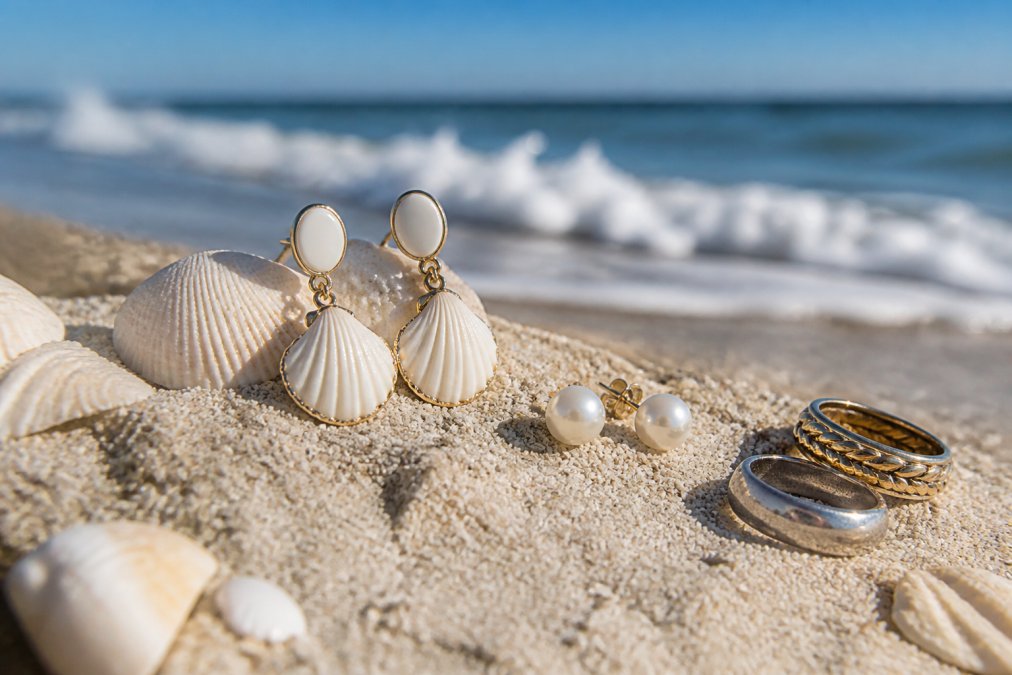
Stainless Steel: Salt-Water Safe and Corrosion-Resistant
Stainless steel is one of the most reliable choices for waterproof jewelry in coastal environments. This alloy combines iron with chromium, creating a protective oxide layer that prevents rust and corrosion. Medical-grade stainless steel (316L) offers even better corrosion resistance than standard 304-grade stainless, making it ideal for sensitive skin or extended saltwater exposure (astm.org).
Stainless steel resists tarnishing, requires only occasional fresh-water rinsing, and holds up to salt spray, sand abrasion, and sunscreen residue. The American Society for Testing and Materials standards for stainless steel specify that 316L stainless maintains superior corrosion resistance in chloride-rich environments. One consideration: stainless steel has a cooler, more industrial appearance compared to precious metals, though modern designs have evolved far beyond utilitarian styles.
The Starfish Necklace with Swarovski Crystals uses a 32-inch stainless steel chain that won't degrade after repeated beach trips, combining durability with visual appeal.
Gold-Filled vs Gold-Plated Jewelry: Which Lasts Longer at the Beach
Gold-plated jewelry features a thin layer of gold (0.5 to 2.5 microns) bonded to base metal, wearing away quickly with saltwater exposure. Gold-filled jewelry contains a much thicker gold layer (at least 5% of total weight) mechanically bonded to a base metal core, lasting 10-20 years with proper care versus 6-12 months for gold-plated pieces (the FTC).
For coastal living, gold-filled is the clear winner. Saltwater accelerates the breakdown of thin plating, exposing base metal and causing discoloration. The Santorini Beaded Toggle Necklace ($60.00) features 18k gold plating on a durable base with amazonite beads and toggle closure, marketed as water and tarnish resistant. However, gold-filled pieces offer longer-term durability.

Titanium and Medical-Grade Alloys for Active Coastal Lifestyles
Titanium and medical-grade alloys represent the premium tier of durable jewelry. Titanium is exceptionally lightweight, hypoallergenic, and virtually immune to saltwater corrosion. These materials don't leach nickel or irritating metals, making them perfect for sensitive skin or continuous wear.
The trade-off is cost and aesthetic limitations. Titanium jewelry typically costs more and has a distinctly modern, minimalist appearance. For active lifestyles, swimming, surfing, and water sports, titanium's lightweight, durable, and hypoallergenic properties are unbeatable.
Resin and Acrylic: Lightweight Ocean-Inspired Alternatives
Resin and acrylic jewelry are naturally resistant to saltwater and don't corrode or tarnish. They're lightweight, affordable, and allow vibrant colors and ocean-inspired designs incorporating shells and sand. Both materials are hypoallergenic and comfortable for extended wear.
The limitation is durability against physical damage. These materials can scratch, crack, or become cloudy with heavy use. For occasional beach trips or statement pieces rather than everyday jewelry, resin and acrylic work well. For constant wear in active coastal lifestyles, metal-based options are more practical.
Why Waterproof Jewelry Brands Matter for Beach Environments
Not all jewelry brands prioritize coastal durability. Brands that understand coastal living invest in better base metals, protective coatings, and quality control standards that prevent defects. They test jewelry in saltwater conditions and design closures and settings that won't corrode or loosen from sand abrasion. Choosing brands committed to waterproof performance makes a measurable difference in how long your pieces last.
How to Clean Jewelry After Beach Exposure
Proper cleaning after beach exposure is essential for extending jewelry life. Salt, sand, and sunscreen residue accelerate corrosion if left overnight.
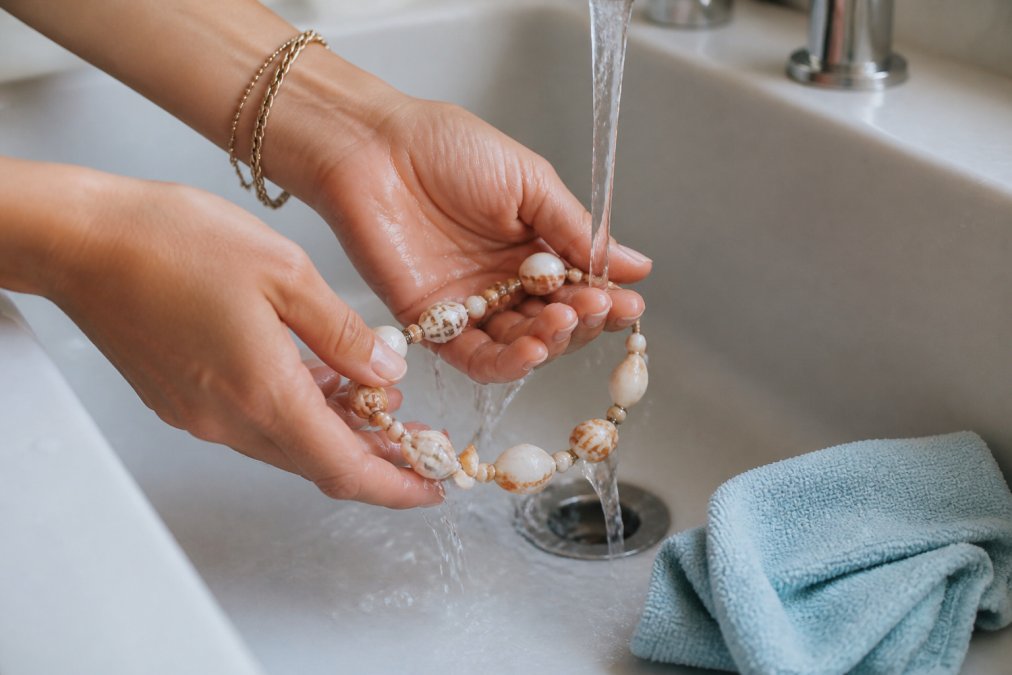
Rinse jewelry with fresh water immediately after beach exposure to remove salt crystals and sand particles. For deeper cleaning, use a soft cloth with mild dish soap and warm water. Soak for a few minutes, then gently wipe dry with a microfiber cloth. For gemstones or pearls, wipe gently with a damp cloth instead of soaking. Never use ultrasonic or steam cleaners on beach jewelry.
Dry jewelry completely before storing to prevent oxidation. Store in a cool, dry place, ideally in a pouch or box protecting from air exposure and humidity. For gold-plated or gold-filled jewelry, avoid abrasive polishing cloths that wear through plating. Use soft microfiber cloths designed for delicate jewelry.
Our Top Picks for Durable Coastal Jewelry
1. Serenity Shell Ring and Bangle: Tarnish-Resistant Coastal Charm
The Serenity Shell Ring ($54.99) and matching Serenity Shell Bangle ($69.99) deliver authentic coastal aesthetic without compromising durability. These pieces feature oyster-shaped shells set in gold, creating playful yet elegant looks that capture beach living essence.

The tarnish-resistant construction and quality shell work stand out. Shells are set securely, and gold setting provides both visual warmth and corrosion resistance. These are designed for actual wear in coastal environments, not delicate pieces requiring careful handling. The matching ring and bangle work together or separately depending on style preference.
Pros:
- Tarnish-resistant finish holds up to saltwater exposure
- Authentic shell detailing creates unique coastal aesthetic
- Secure settings prevent stones or shells from loosening
- Works as both everyday wear and special occasion pieces
Cons:
- Premium pricing reflects quality construction
- Requires occasional gentle cleaning to maintain shine
- Not ideal for water sports or high-impact activities
2. Santorini Beaded Toggle Necklace: 18k Gold-Plated Water Resistance
The Santorini Beaded Toggle Necklace ($60.00) combines island-inspired design with practical durability. This piece features 18k gold plating, amazonite beads, and a toggle closure, all engineered to resist water and tarnishing.
The 16-inch length works well for layering or solo wear. The toggle closure is more secure than delicate clasps, reducing loss risk. The amazonite beads add color and visual interest while remaining hypoallergenic and water-resistant. The 18k gold plating is thicker than standard plating, offering better longevity in coastal environments.
Pros:
- Water and tarnish-resistant construction
- Hypoallergenic materials suit sensitive skin
- Toggle closure is more secure than delicate clasps
- 18k gold plating is thicker than standard options
- Works for layering or solo wear
Cons:
- Gold plating will eventually wear with heavy use
- Requires regular fresh-water rinsing to maintain appearance
- Not suitable for high-impact water activities
3. Jeweled Shell and Ocean-Inspired Earrings: Lightweight Durability
The Jeweled Shell Earrings ($19.99) and Jeweled Starfish Earrings ($19.99) offer affordable coastal style without sacrificing durability. These dangle earrings feature sparkling crystals and gemstones in secure settings, creating statement pieces that catch light with every movement.
Lightweight construction makes these comfortable for all-day wear in heat and humidity. Intricate detailing brings ocean-inspired charm without bulk or weight. Secure settings prevent crystal loosening, and materials resist tarnishing. These are designed for actual wear, not delicate pieces requiring special handling.
Pros:
- Affordable price point for quality construction
- Lightweight and comfortable for extended wear
- Secure settings prevent crystal loss
- Tarnish-resistant materials
- Available in multiple ocean-inspired designs
Cons:
- Crystals may require occasional gentle cleaning
- Not ideal for high-impact water sports
- Dangle design requires care to prevent snagging
4. Starfish Necklace with Swarovski Crystals: Stainless Steel Chain
The Starfish Necklace with Swarovski Crystals ($79.99) represents the premium option for maximum durability combined with luxury. This piece features a 14mm Swarovski crystal starfish pendant suspended from a 32-inch stainless steel chain.
The stainless steel chain is the key durability feature. Unlike delicate gold chains that weaken with saltwater exposure, this construction lasts indefinitely with minimal maintenance. The chain won't tarnish, corrode, or discolor with constant beach exposure. The Swarovski crystal pendant adds genuine sparkle without compromising durability. The 32-inch length works as a long pendant or layered with shorter pieces, and stainless steel construction suits active beach lifestyles, swimming, snorkeling, and water sports.
Pros:
- Stainless steel chain resists all corrosion
- Genuine Swarovski crystals add luxury
- Durable for active water activities
- Low-maintenance cleaning requirements
- Long chain length offers styling versatility
Cons:
- Higher price point reflects quality materials
- Stainless steel has cooler aesthetic than gold
- Crystal pendant requires gentle handling despite chain durability
| Jewelry Type | Material | Price | Best For | Durability |
|---|---|---|---|---|
| Serenity Shell Ring | Gold-set shell | $54.99 | Everyday coastal wear | Not specified |
| Serenity Shell Bangle | Gold-set shell | $69.99 | Layering or solo wear | Not specified |
| Santorini Toggle Necklace | 18k gold-plated, amazonite | $60.00 | Layering, sensitive skin | Not specified |
| Jeweled Shell Earrings | Crystal-set shell | $19.99 | Affordable statement pieces | Not specified |
| Starfish Necklace | Stainless steel chain, Swarovski | $79.99 | Active water lifestyles | Not specified |
Travel-Specific Packing Tips for Beach Jewelry
Packing jewelry for beach vacations requires thought beyond tossing pieces into a suitcase. Travel, humidity, temperature changes, and saltwater exposure create unique challenges. Proper packing protects pieces and ensures they're ready to wear upon arrival.
Clean jewelry before packing. Any saltwater residue, sunscreen, or sand left on pieces during travel accelerates corrosion and damages other luggage items. Rinse with fresh water, dry thoroughly, and let pieces sit for hours to ensure complete dryness.
Use individual pouches or small plastic bags to separate each piece. This prevents chain tangling, protects delicate settings from impact, and keeps moisture away from sensitive metals. Silica gel packets in your jewelry bag absorb humidity during travel and storage, preventing oxidation.
Pack jewelry in carry-on luggage rather than checked bags. Temperature and humidity fluctuations in cargo holds accelerate corrosion, and checked baggage is more prone to damage. Keeping jewelry with you ensures optimal condition during travel.
Consider limiting pieces you bring. Choose versatile pieces working across multiple outfits and activities rather than specialized items. Upon arrival, unpack immediately and store in cool, dry locations away from direct sunlight. Avoid leaving pieces in hot cars or humid bathrooms. Use silica gel packets in jewelry storage areas to maintain dry conditions.
After your trip, rinse all jewelry with fresh water before packing for return travel. Allow pieces to dry completely before sealing in bags. This final cleaning ensures jewelry arrives home in excellent condition and is ready for storage.
Coastal living doesn't mean sacrificing jewelry style or constantly replacing damaged pieces. The key is choosing materials and brands prioritizing durability alongside aesthetics. Boutique Bella Bella offers a carefully curated selection of durable jewelry for coastal living, from the tarnish-resistant Serenity Shell collection to the waterproof Santorini Beaded Toggle Necklace. Each piece combines practical durability with genuine coastal charm. Stop in to explore pieces designed to last through years of beach living, or browse our collection online to find your next favorite coastal accessory.

Frequently Asked Questions
Q: What kind of jewelry is ocean resistant?
A: Ocean-resistant jewelry is typically made from materials that resist saltwater corrosion and oxidation. Stainless steel, titanium, and medical-grade alloys naturally resist salt damage. Gold-filled and 18k gold-plated pieces with proper PVD coating also perform well in saltwater. Avoid pure silver and low-quality plating, which tarnish quickly. Look for pieces labeled 'water-resistant' or 'salt-water safe' to ensure durability in coastal environments.
Q: What is the difference between gold-filled vs gold-plated jewelry?
A: Gold-filled jewelry has a thick layer of gold (at least 5% by weight) bonded to a base metal through heat and pressure, making it much more durable than gold-plated. Gold-plated jewelry has only a thin electroplated layer of gold over base metal. Gold-filled pieces last longer with regular wear, while gold-plated typically lasts less time before the coating wears away. For coastal living, gold-filled is the better investment because it resists tarnishing longer even with saltwater exposure.
Q: How do you keep jewelry from tarnishing near the coast?
A: Rinse jewelry with fresh water immediately after beach exposure to remove salt and sand. Store pieces in airtight containers or bags to minimize air exposure, which accelerates oxidation. Use silica gel packets in storage to reduce humidity. For tarnish-resistant options, choose stainless steel, titanium, or pieces with PVD coating like our Santorini Beaded Toggle Necklace. Clean regularly with a soft cloth and mild soap solution, and avoid prolonged contact with sunscreen, which can accelerate tarnishing.
Q: What materials are best for jewelry worn in saltwater?
A: The best saltwater-safe materials include stainless steel (resists corrosion naturally), titanium (hypoallergenic and extremely durable), gold-filled (thick gold layer resists tarnishing), and 18k gold-plated with PVD coating for added protection. Resin and acrylic are lightweight alternatives that don't corrode. Avoid pure silver, low-quality base metals, and thin gold plating. Our Serenity Shell Ring features tarnish-resistant construction, and the Starfish necklace uses a stainless steel chain rated for beach environments.
Q: Can you wear gold-filled jewelry in the ocean?
A: Yes, gold-filled jewelry can be worn in the ocean because the thick gold layer (at least 5% by weight) provides excellent protection against saltwater corrosion. However, rinse it with fresh water immediately after swimming to remove salt deposits, which can accelerate tarnishing over time. Dry thoroughly and store in an airtight container. Gold-filled pieces are more ocean-resistant than gold-plated, but they still require proper care to maintain their appearance and longevity in coastal environments.
This article was written using GrandRanker