


Table of Contents
- Why Size Inclusive Shopping Online Matters
- How to Measure Yourself for Clothing Accurately
- How to Read Online Size Charts Like a Pro
- Building Stylish Plus Size Vacation Outfits
- Finding Trusted Size Inclusive Brands and Boutiques
- Using Virtual Try-On Tools and AI Sizing Technology
- Shopping Sustainably and Ethically for Size Inclusive Fashion
- Frequently Asked Questions
Last Updated: September 28, 2026
Why Size Inclusive Shopping Online Matters
Finding size inclusive clothing online shouldn't feel like a treasure hunt. Yet for many shoppers, it's exactly that, scrolling through endless pages, discovering that "extended sizing" really means one or two larger options in basics, or worse, finding that a boutique's claim of inclusivity stops at size 14. At Boutique Bella Bella, we understand the frustration. The reality is that size diversity in fashion isn't optional anymore, it's essential. When you're shopping for pieces that actually fit your body and reflect your personal style, the right fit changes everything.
The stakes are real. Online shopping means no fitting room, no immediate feedback, and the risk of wasted money on returns. But with the right approach, you can shop with confidence and discover brands that genuinely celebrate body diversity rather than grudgingly offering it.
How to Measure Yourself for Clothing Accurately
Accurate measurements are the foundation of successful online shopping. Most returns happen because clothing doesn't fit, not because the brand's sizing is wrong, but because the customer measured incorrectly or didn't understand what the measurements actually mean. Taking five minutes to measure yourself properly eliminates most of that guesswork.
Essential Measurements to Take
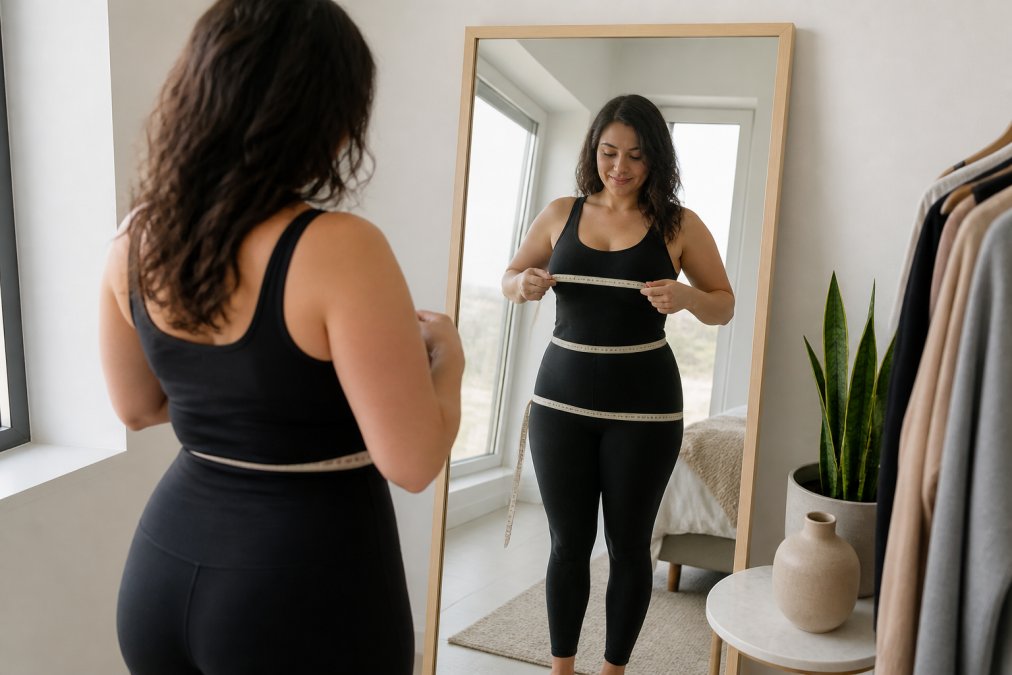
You need four core measurements: bust, waist, hip, and inseam. Bust is measured at the fullest part of your chest, keeping the tape measure snug but not tight. Waist goes around your natural waist, the narrowest part of your torso, typically where you naturally bend. Hip is measured at the fullest part of your hip and thigh area, about 7-8 inches below your natural waist. Inseam matters for pants and is measured from your inner thigh down to your ankle bone while standing barefoot.
The key to accuracy is consistency. Wear fitted clothing or nothing at all when measuring, loose clothing throws off your numbers. Have someone help if possible, especially for back measurements. Keep the tape measure parallel to the ground and take each measurement twice to confirm. Write everything down immediately; you'll forget these numbers the moment you close the measuring tape.
Tools You'll Need
You only need two things: a soft fabric measuring tape and a mirror. The fabric tape is crucial, a rigid ruler or steel measuring tape will give you incorrect measurements and is uncomfortable against your skin. A mirror helps you ensure the tape is level and positioned correctly. If you don't have a measuring tape, they cost a few dollars at any fabric or craft store, or you can order one online. Some brands now offer virtual try-on tools and AI sizing technology that can estimate your measurements from photos, but nothing beats doing it yourself for accuracy.
How to Read Online Size Charts Like a Pro
Size charts vary wildly between brands. One brand's medium is another's large. This is where most online shopping fails, customers assume standard sizing and order without checking, then get frustrated when the fit is wrong. The solution is treating every size chart as a unique document specific to that brand.
Understanding Brand-Specific Sizing
Every brand has its own fit philosophy. Some run small, some run large, and some are inconsistent across different product lines. The only way to know is to check the actual size chart provided by that specific brand. Look for a chart that shows measurements in inches, bust, waist, hip, and compare those numbers directly to your own measurements. Don't order based on the letter size you usually wear. Order based on how your measurements align with that brand's chart.
Read the notes section carefully. Many brands include fit descriptions: "This style runs small, size up one size" or "Generous fit through the hip." These notes are gold. They tell you what the designer intended and how real customers experience the fit. If a brand says their dresses are cut for a curvy silhouette, that's valuable information about how they've shaped the garment.
Fabric Stretch and Fit Considerations
Fabric composition changes everything. A cotton-spandex blend stretches differently than pure cotton. Knits hug the body; wovens drape. Structured fabrics hold their shape; soft fabrics conform to your curves. When you're reading a size chart, check what the garment is made from. A stretchy jersey fabric might fit smaller than the chart suggests because it accommodates your actual shape. A rigid cotton twill might fit true to size or even large.
Look for the percentage breakdown: 95% cotton, 5% spandex means minimal stretch, while 88% nylon, 12% spandex means significant give. Brands that cater to curvy bodies often use higher-stretch fabrics specifically to accommodate different shapes without excessive gapping.
Building Stylish Plus Size Vacation Outfits
Vacation is where style matters most. You want pieces that work together, feel comfortable, and make you feel like yourself, not costumes or compromises. The key is mixing wardrobe essentials with statement pieces so you pack light but look intentional every day.
Mixing Wardrobe Essentials with Statement Pieces
Start with basics: fitted tanks, neutral cardigans, well-fitting jeans or neutral pants. These are your anchors. Then add two or three statement pieces, a sequined top, a patterned dress, a shimmering jacket. Brands like Queen of Sparkles excel at statement pieces that feel special without requiring an occasion. Pair one statement piece with your basics, and you've created multiple outfits from a small number of items.
The math is simple: five basics plus three statement pieces equals roughly twelve outfit combinations. Pack one pair of neutral shoes and one pair of dressier shoes, and you're done. This approach works whether you're heading to a beach resort or a mountain town. The pieces should reflect your personal style, if you don't normally wear sequins, don't pack them just because you're on vacation. You won't wear them, and they'll take up luggage space.
Coastal and Resort-Ready Silhouettes
Certain silhouettes work better for vacation because they're forgiving and flattering. A-line dresses skim the body without clinging. Wrap dresses adjust to your actual shape. Flowy resort wear in breathable fabrics keeps you cool and comfortable. Oversized linen shirts work as both a beach cover-up and a standalone piece. High-waisted bottoms with longer tops create clean lines and feel polished without being restrictive.
Pay attention to necklines and sleeve length.
Finding Trusted Size Inclusive Brands and Boutiques
Not every brand that claims to be size inclusive actually is. Some offer extended sizing in basics only. Others have genuinely inclusive design across their entire collection. The difference matters.
What to Look for in Size Diversity and Extended Sizing
Check the actual size range offered. Does the brand offer XS through 3XL, or does it go up to 4XL or beyond? Are extended sizes available in all styles, or just basics? Are the prices the same across all sizes, or do they charge more for larger sizes? Genuine size inclusivity means offering the same styles, same prices, and same quality across the entire size range.
Checking Return Policies and Shipping Options
A generous return policy is non-negotiable when shopping online. Look for at least 30 days to return, free return shipping, and a clear process. Some brands offer extended return windows during certain seasons. A few offer free returns year-round, these are worth noting. If a brand makes returns difficult or charges for them, that's a red flag. They're betting you won't go through the hassle of returning, which means they're okay with unhappy customers.
Using Virtual Try-On Tools and AI Sizing Technology
Technology is changing how we shop online. Virtual try-on tools let you see how clothes look on your body shape before ordering. AI sizing assistants analyze your measurements and recommend sizes across different brands. These tools aren't perfect, but they're improving rapidly and can significantly reduce return rates.
Shopping Sustainably and Ethically for Size Inclusive Fashion
Size inclusive fashion is increasingly intersecting with sustainability. Brands that offer extended sizing often do so with intention toward ethical manufacturing and quality pieces designed to last. Shopping sustainably doesn't mean buying less, it means buying pieces you'll actually wear, in your correct size, from brands with transparent supply chains.
Frequently Asked Questions
How do I determine my correct size when shopping at different online retailers?
Every brand sizes differently, so always check the specific size chart before purchasing. Measure your bust, waist, and hips, then compare your measurements directly to the brand's chart rather than relying on your usual size. Many size inclusive retailers provide detailed fit guides noting whether items run small, large, or true to size. Reading customer reviews mentioning fit can also help, look for comments from shoppers with similar body measurements to yours.
What should I look for in size charts to ensure a better fit?
A reliable size chart shows measurements for bust, waist, hip, and length across the entire size range offered. Look for charts that include garment measurements (how wide the piece is when laid flat) rather than just body size recommendations. Check if the brand notes fabric stretch, knit fabrics with elastane offer more give than rigid wovens. The best size charts also specify fit type (fitted, relaxed, oversized) and include customer photos showing how pieces actually look on different body types.
What brands are truly size inclusive when shopping online?
Authentic size inclusive brands extend their entire collection across a wide size range, not just basics. Look for retailers that offer extended sizing (XS through 4XL or equivalent) in trendy apparel, workwear, and statement pieces. Check their website's size range on multiple categories, if they only carry extended sizes in basics but stop at size 12 for dresses, they're not genuinely size inclusive. Read customer reviews specifically mentioning fit across different sizes, and verify their return policy is hassle-free since fit varies by body type.
How can I identify high-quality fabrics when shopping for plus size clothing online?
Check the garment's fiber content listed in product details, natural fibers like cotton, linen, and silk tend to age better than synthetics. Look for fabric weight descriptions (lightweight, medium, heavyweight) and stretch percentages. Quality pieces typically specify construction details like seam finishing and lining. Read customer reviews mentioning durability and how items hold up after washing. Boutique retailers often provide more detail about garment construction than mass-market sites, helping you make informed choices about longevity and value.