


Table of Contents
- Start With a Wardrobe Audit to Find Your Personal Style
- How to Identify Your Fashion Aesthetic
- Fashion Mood Board Ideas That Actually Work
- How to Build a Capsule Wardrobe Around Your Personal Style
- Understanding Body Shape, Fit, and Proportion
- The Psychological Barriers That Block Your Style
- Sustainable Style Maintenance and Long-Term Evolution
- Conclusion
Last Updated: August 15, 2026
Start With a Wardrobe Audit to Find Your Personal Style
Most people trying to find their personal style start in the wrong place: scrolling Pinterest and filling carts, then wondering why nothing feels cohesive. The real starting point is already hanging in your closet.
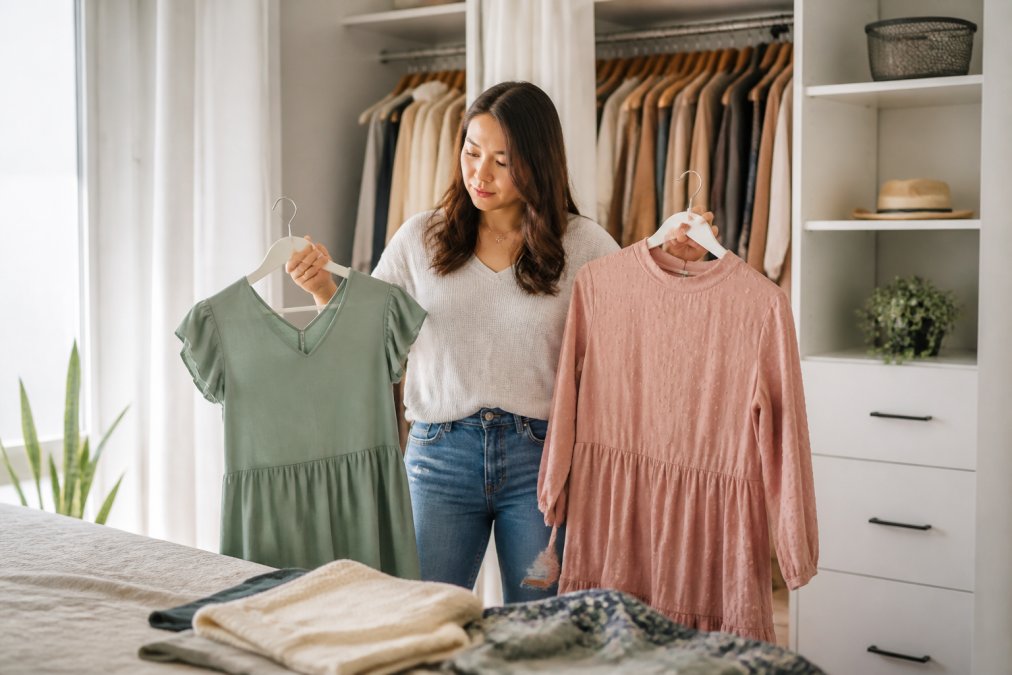
A wardrobe audit systematically reviews every item you own to understand what you actually wear, what you avoid, and what that pattern reveals about your authentic self. It's the single most clarifying thing you can do before spending money on new clothing.
Here's how to run the audit:
- Pull everything out of your closet and lay it flat.
- Create three piles: Keep (you wear it, you love it), Donate (it fits but you skip it), and Question (you're not sure why you own it).
- For every "Keep" item, ask: What do I feel like when I wear this? Where do I wear it?
- For every "Question" item, ask: Am I keeping this out of guilt, cost, or genuine affection?
- Look at your Keep pile. The aesthetic identity hiding there is your actual personal style.
What to Keep, Donate, and Question
Keep anything that fits your body right now, makes you feel good when you put it on, and works with at least three other items you own. Donate anything you've skipped for more than a year, items that fit a version of yourself you no longer identify with, and anything that requires constant adjustment to feel comfortable.
The Question pile holds the real insight, usually trend purchases, gifts, or aspirational buys. If you can't imagine wearing them in the next 30 days, they go.
How to Identify Your Fashion Aesthetic
Identifying your fashion aesthetic means finding the visual language that consistently resonates with you. It's less about picking a label and more about noticing patterns in what you're drawn to.
Start by saving images, not just fashion but anything that creates a visual pull: restaurant interiors, film stills, travel photos. According to Psychology Today's coverage of fashion and identity, the images we find visually compelling often reflect deeper values and self-concept. That coastal photograph you keep saving might be telling you something about your style direction.
Common Style Archetypes to Explore
Style archetypes give you vocabulary for what you already feel. Most people blend two or three:
- Classic: Clean lines, neutral palettes, timeless silhouettes.
- Romantic: Soft fabrics, florals, feminine details, layered textures.
- Bohemian: Relaxed fits, earthy tones, mixed prints, artisan accessories.
- Coastal/Resort: Breezy fabrics, sun-faded palettes, easy separates.
- Western: Structured denim, leather accents, heritage details.
- Edgy/Minimalist: Monochrome outfits, structured silhouettes, statement pieces.
A Stetson hat paired with a flowing linen dress blends coastal and western archetypes into a signature look that feels both grounded and free.
Style for Non-Binary and Gender-Fluid Dressing
Personal style has never belonged exclusively to any gender. For non-binary and gender-fluid individuals, building personal style means prioritizing fit, comfort, and personal expression over gendered categories.
Practical starting points: shop by silhouette rather than section labels, focus on color palette and fabric quality as organizing principles, look for tailoring that fits your actual proportions, and build around wardrobe essentials that feel genuinely yours. A size-inclusive boutique with curated selection makes this easier.
Fashion Mood Board Ideas That Actually Work
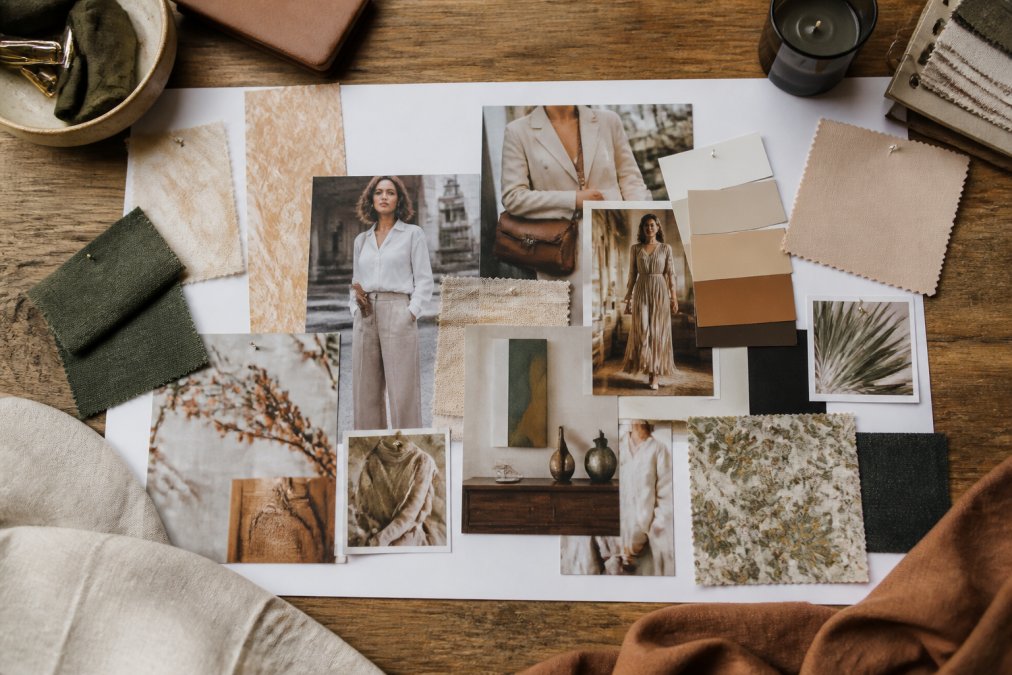
A fashion mood board captures the feeling, color palette, and aesthetic of the style you're building toward. The key is mixing clothing with environments, textures, and colors that move you.
How to build one that informs your wardrobe:
- Choose a format: physical boards or digital.
- Pull images across categories: clothing, interiors, landscapes, films, art.
- Identify dominant colors, this becomes your signature palette.
- Notice recurring silhouettes: relaxed or structured?
- Pin only images that create genuine response.
- Revisit after a week. What still resonates?
How to Build a Capsule Wardrobe Around Your Personal Style
A capsule wardrobe is a compact, intentional collection of versatile pieces that work together across multiple outfits. The goal is style consistency: every item earns its place by doing real work.
A functional capsule typically contains 25-40 pieces. For every bottom you own, it should pair with at least three tops. For every top, at least two bottoms. If an item fails this test, it's either a gap-filler you're missing or a piece that doesn't belong.
Budget-Conscious Style Building: Quality vs. Quantity
A smarter framework for where to spend:
| Category | Spend More | Spend Less |
|---|---|---|
| Outerwear | Yes, worn constantly, visible | No need for trendy versions |
| Footwear | Yes, affects posture and longevity | Fast-fashion shoes fall apart fast |
| Statement pieces | Yes, one great piece beats five mediocre ones | Avoid trend-driven statement items |
| Basic tees and layering | No, these wear out and need replacing | Stock up, spend less |
| Accessories | Selectively, one quality piece anchors an outfit | Costume jewelry for trend testing |
Accessories do the heavy lifting. A well-chosen necklace or hat changes an outfit's entire register. Boutique Bella Bella carries French Kande jewelry and Stetson hats precisely because they function as signature pieces that elevate simpler basics.
Sustainable fashion and budget consciousness align. Buying fewer, better things produces less waste and more style consistency. According to the Environmental Protection Agency's textile waste data, textiles represent a significant portion of landfill waste, and reducing wardrobe churn is one of the most direct ways individuals can address that.
Understanding Body Shape, Fit, and Proportion
Fit is the single most important variable in how clothing reads. A well-fitted piece at any price point outperforms an expensive one that doesn't sit right on your body.
What actually matters in fit:
- Shoulders: The shoulder seam should sit at your actual shoulder on structured garments.
- Length: Hemlines and sleeve lengths create visual proportion.
- Ease: The amount of fabric beyond your body measurements determines whether a garment reads relaxed or fitted.
Tailoring is underused and undervalued. A small alteration to the hem or waist can transform an off-the-rack piece. If a piece is 80% right and fits your aesthetic, tailoring can close the gap.
The Psychological Barriers That Block Your Style
The real reason many people struggle to find their personal style isn't a lack of information. It's fear: fear of standing out, getting it wrong, spending money on mistakes, or trying too hard.
Fashion psychology shows that clothing directly influences how we think and perform, not just how others perceive us. What you wear changes your internal experience of yourself. That makes style decisions feel higher stakes than they rationally are.
Common barriers and how to work through them:
- "I'm not a fashion person." This is a belief, not a fact. Personal style is just making clothing choices intentionally.
- "I don't have the body for that." Fit and tailoring solve most of this.
- "I'll figure out my style when I lose weight / get a raise / have more time." Style is for now. Dressing well in the present builds confidence.
- "I don't want to look like I'm trying." Style consistency looks effortless precisely because it's intentional.
The goal of style discovery is a clearer sense of your own aesthetic identity, which makes every future clothing decision faster and more satisfying.
Sustainable Style Maintenance and Long-Term Evolution
Style evolves as you do. A good system for maintaining it means you're not starting from scratch every few years.
Annual wardrobe audit: Run the same process once a year. Your Keep pile will shift as your aesthetic identity evolves.
The one-in, one-out rule: When a new piece enters your closet, an old one leaves. This keeps your curated closet intentional and forces real decisions.
Caring for what you own: Follow care labels, wash less frequently when possible, store knitwear folded, and hang structured pieces on proper hangers. These habits extend the life of quality items significantly.
Style evolution, not revolution: Allow your style to evolve gradually rather than doing complete overhauls every few years. Add new pieces that stretch your aesthetic slightly. The result is a wardrobe that feels consistent and personal.
As documented in the Sustainable Apparel Coalition's Higg Index resources, building a personal style around fewer, better pieces that you wear for years is both a style strategy and a meaningful environmental choice.
| Style Maintenance Task | Frequency | Impact |
|---|---|---|
| Wardrobe audit | Once a year | Removes dead weight, clarifies aesthetic |
| One-in, one-out check | Every new purchase | Keeps closet intentional and manageable |
| Garment care review | Seasonal | Extends life of quality pieces |
| Mood board refresh | Every 6 months | Tracks style evolution, informs new buys |
| Tailoring assessment | As needed | Transforms near-perfect pieces into keepers |
Building a personal style that actually feels like you takes time, honesty, and a willingness to experiment. The hardest part isn't finding the right pieces. It's giving yourself permission to dress for who you are right now. Stop in at Boutique Bella Bella and let our team help you find pieces that do exactly that. From size-inclusive apparel and French Kande jewelry to Stetson hats and Queen of Sparkles collections, our curated selection is built for women who want to express their personal style with confidence. Stop in today and find your next favorite thing.
Frequently Asked Questions
Why can't I figure out my personal style?
Most people struggle because they're trying to copy a look rather than build one from their own life. The fix is to stop asking 'what's trending' and start asking 'what do I actually reach for?' A wardrobe audit, a mood board, and honest reflection on your daily lifestyle will surface patterns faster than any quiz. Psychological barriers like fear of judgment or past negative shopping experiences also play a real role, recognizing them is the first step to moving past them.
How can I build a capsule wardrobe that reflects my style?
Start by identifying 8-12 wardrobe staples that fit your body well and match your color palette. Every piece should work with at least three others already in your closet. Prioritize fabric quality and tailoring over trend-driven pieces, garments that hold their shape and drape well form the backbone of a curated closet. Add one or two statement pieces that express your aesthetic identity, then resist filling gaps with anything that doesn't meet both criteria: fits perfectly and feels like you.
What are common examples of personal style aesthetics?
The most recognizable style archetypes include classic (clean lines, neutral palette, timeless silhouettes), bohemian (layered textures, earthy tones, relaxed fits), coastal (breezy fabrics, nautical colors, effortless layering), Western (denim, leather, structured hats), and maximalist (bold prints, rich colors, statement accessories). Most people land somewhere between two archetypes. Your authentic self rarely fits a single label, the goal is to find the combination that creates visual harmony in your outfits without feeling like a costume.
Does personal style change as you get older?
Yes, and that's completely normal. Style evolution reflects changes in lifestyle, body, confidence, and values. Many people find their aesthetic identity sharpens with age as they stop chasing microtrends and invest more intentionally in wardrobe essentials. The key is to revisit your mood board and wardrobe audit every year or two, what served your style at 25 may not serve it at 40, and that's a sign of growth, not inconsistency.
What are the best tools for tracking style inspiration?
Pinterest remains the most practical tool for building a digital mood board because you can organize pins by color, silhouette, or occasion. Instagram's saved collections work similarly for real-time fashion inspiration. For physical mood boards, magazine clippings and fabric swatches add a tactile dimension that screens can't replicate. Screenshot folders on your phone are underrated, if you consistently save the same types of outfits, that pattern is your aesthetic identity talking.
How do I identify my body shape to better define my style?
Measure your shoulders, bust, waist, and hips, then compare the ratios. Common shapes include hourglass (balanced bust and hips, defined waist), pear (hips wider than shoulders), apple (fuller midsection), and rectangle (similar measurements throughout). Once you know your shape, focus on silhouettes that create the proportions you want, A-line skirts, wrap dresses, and high-waisted cuts are versatile across most body types. Fit and proportion matter far more than any specific trend.
This article was written using GrandRanker