


Table of Contents
- Why Coastal Style Works in Hot, Humid Conditions
- Best Clothing for Hot Humid Weather: Fabric Essentials
- Cooling Fabrics for Humid Weather and How They Work
- Hot Weather Dresses: Silhouettes That Keep You Comfortable
- Coastal Vacation Outfit Ideas for Every Occasion
- Building Your Coastal Capsule Wardrobe for Humidity
- Care and Packing Tips for Hot, Humid Climates
- Frequently Asked Questions
Last Updated: October 4, 2026
Why Coastal Style Works in Hot, Humid Conditions
Coastal style clothing for hot humid weather keeps you comfortable when temperature and moisture climb. At Boutique Bella Bella, we understand that warm-weather dressing requires fabrics and silhouettes designed to move with your body, not against it.
High humidity traps sweat against your skin, making standard fabrics cling. Coastal style solves this by combining breathable materials, relaxed silhouettes, and light tones that reflect heat and allow airflow.
Best Clothing for Hot Humid Weather: Fabric Essentials
The fabric you choose determines how your clothes perform in heat and humidity. The right fabric breathes, dries quickly, and prevents moisture from clinging to your skin.
Natural Fibers vs. Technical Fabrics
Linen and cotton have been trusted for centuries in hot climates. Linen is exceptionally breathable and softens with washing. Cotton is affordable and widely available. Both allow air to pass through, preventing moisture from clinging.
Technical fabrics pull sweat away from your skin and dry rapidly, resisting wrinkles better than natural fibers. The trade-off: some find them less breathable than linen in extreme humidity.
For coastal style clothing for hot humid weather, many prefer blends: linen-cotton for breathability and durability, or cotton-synthetic for quick-drying performance. Test what feels best on your skin.
Cooling Fabrics for Humid Weather and How They Work
Moisture-wicking fabrics pull sweat away from your body to the surface where it evaporates, keeping your skin drier. Not all breathable fabrics perform equally in humid conditions, the differences matter for comfort, care, and longevity.
Moisture-Wicking and Quick-Drying Performance
Linen naturally wicks moisture and dries faster than cotton. A linen shirt can feel dry within minutes of being exposed to air. Cotton takes longer but still performs well in humid conditions. However, this speed difference comes with trade-offs:
Linen excels at quick drying and breathability but wrinkles easily. It resists odor well and works for multi-day wear without washing. The downside: linen is less forgiving of fit mistakes, a poorly cut shirt will cling or gap more noticeably than in cotton.
Cotton feels softer immediately and is more forgiving of fit. It breathes well and is affordable. The catch: cotton retains moisture longer than linen and can hold odor or develop mildew if stored damp. It's prone to shrinkage if machine-dried.
Technical fabrics use synthetic fibers that repel water and dry in 30-60 minutes, making them practical for active days. They resist wrinkles and odor better than natural fibers.
Gauze fabrics allow maximum airflow through their loose weave, making them perfect for beach days. Gauze dries extremely quickly. The downside: it's delicate, prone to snagging, and may feel too sheer without layering.
Silk and silk blends breathe well and resist odor. However, silk is expensive and requires gentle care. Silk blends offer easier maintenance but cost more than pure natural fibers.
Seersucker and textured weaves create built-in space between fabric and skin, reducing cling and improving airflow. Seersucker wrinkles less than flat-weave cotton and dries reasonably fast. The trade-off: the texture can feel bumpy, and it's less versatile for formal occasions.
For coastal style clothing in hot, humid weather, many prefer blends: linen-cotton for breathability and durability, cotton-synthetic for quick-drying performance, or linen-silk for elegance. Consider your lifestyle, active days favor quick-drying synthetics or linen; comfort-focused wardrobes justify natural fibers' extra care.
Hot Weather Dresses: Silhouettes That Keep You Comfortable
A well-chosen dress can be your secret weapon in humid heat. The right silhouette moves with you, creates air gaps between fabric and skin, and doesn't trap moisture.
Loose-Fitting and Flowy Cuts for Airflow
Loose-fitting dresses let air circulate. Flowy cuts like A-line, trapeze, and tent silhouettes create space between fabric and skin, preventing heat trapping.
Tie-waist designs cinch at your natural waist without gripping your torso. The Salty Airflow Dress features an adjustable tie waist with lightweight fabric that allows air to move freely.

Strapless and sleeveless dresses maximize shoulder and arm exposure. Avoid sleeves that hug your arms; choose cap sleeves, flutter sleeves, or go sleeveless.
Maxi dresses work in hot weather if the fabric is light enough and provides sun protection. Shorter lengths feel cooler because less fabric contacts your body.
Coastal Vacation Outfit Ideas for Every Occasion
Building coastal outfits means pairing breathable pieces that work together. A well-designed outfit uses a simple formula: a breathable base layer, a relaxed middle layer, sun protection, and accessories that don't trap heat.
The Coastal Outfit Formula
Start with a breathable base: lightweight shorts, trousers, or a skirt in linen, cotton, or a blend. Look for flat-front or pleated waistbands (not tight elastic) that sit at your natural waist; high-rise cuts allow better airflow around your midsection.
Add a relaxed top that doesn't cling: a gauze blouse, linen shirt, or seersucker top. The garment should skim your body without hugging. Cap sleeves, flutter sleeves, or sleeveless cuts expose more skin for cooling. Ensure the armhole is cut generously and seams sit on the shoulder point to avoid chafing in humid conditions.
Layer with a lightweight cover-up for sun protection and air-conditioned spaces: a linen jacket, cotton cardigan, or gauze shirt worn open. This layer should be thin enough to pack easily and dry quickly if it gets damp.
Finish with sun and heat accessories: a wide-brim hat (at least 3 inches all around) to shade your face and neck, lightweight sandals with arch support, and a scarf or sarong that doubles as a beach cover or shoulder wrap.
Day Outfits: Beach Walks and Casual Dining
For daytime, pair a lightweight linen shirt with cotton shorts. Choose a relaxed, straight-cut body that allows air to circulate. Add a wide-brim hat for sun protection and slip-on sandals with cushioned footbeds and breathable straps.
Another option: a gauze or seersucker blouse with linen trousers. The Coastal Escape Seersucker Blouse brings seaside charm with its lightweight stripe fabric and scalloped hem. Pair it with neutral linen pants for a polished yet relaxed appearance. The seersucker's texture naturally reduces cling, and the scalloped hem adds visual interest without adding weight.

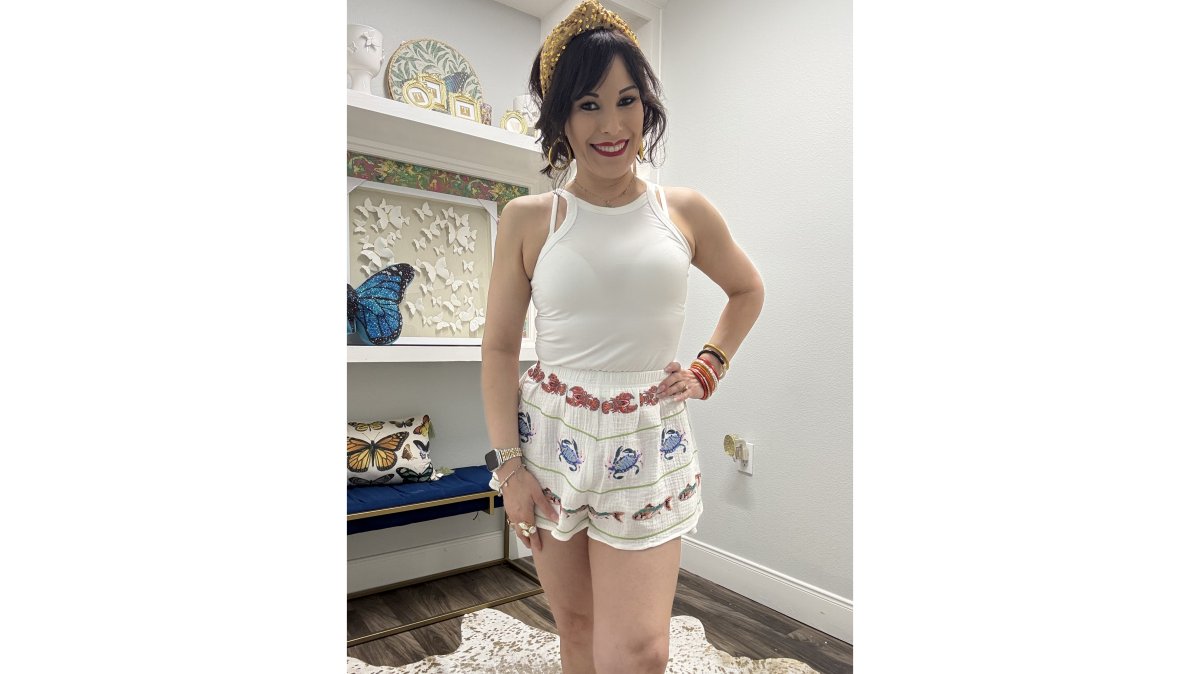
For beach days, lightweight shorts and a tank top work well. The QOS White Striped Seafood Gauze Short offers breathable comfort with a striped pattern that feels fresh and casual. Wear it with a simple tank or lightweight tee. Look for tank tops with a relaxed armhole and minimal seaming; some tanks have interior seams that chafe when damp, so check the construction before buying.
Evening Outfits: Sunset Dinners and Social Events
Evening calls for something with more presence, but the same comfort principles apply. A lightweight jumpsuit works beautifully for dinner by the water. The Island Escape Strapless Jumpsuit features a flattering tie-front bodice and wide-leg silhouette in breathable, crinkled fabric. The strapless design keeps you cool while feeling elegant. The wide legs allow air to flow freely and reduce the chance of fabric clinging to your legs.

Alternatively, dress up a flowy dress with simple jewelry and dressy sandals. The Salty Airflow Dress transitions from day to evening easily. Look for dresses with a tie waist or drawstring rather than elastic, these allow you to adjust the fit as your body changes throughout the day (slight swelling is normal in heat and humidity). Add a lightweight linen jacket or shawl for sun protection or air-conditioned dining spaces.
For a more formal coastal event, choose a midi-length dress in linen or a linen blend. Keep colors light: white, cream, pale blue, or soft pastels. Avoid heavy fabrics and tight cuts that trap heat. Look for dresses with a slip or built-in shorts underneath if you prefer coverage; a dress without lining can feel transparent or clingy when damp. Sleeveless or cap-sleeve styles work best.
Building Your Coastal Capsule Wardrobe for Humidity
A coastal capsule wardrobe for hot, humid weather focuses on versatile pieces that mix and match. You'll wear fewer items but feel prepared for any occasion.
Essential pieces:
- Lightweight linen or cotton shorts (neutral colors: white, cream, khaki, navy)
- Linen trousers (white or cream for maximum heat reflection)
- Breathable tank tops and tees (white, cream, and one or two colors)
- A lightweight blouse with 3/4 sleeves (seersucker or linen)
- Two dresses: one casual, one dressier
- A strapless or sleeveless option for evening
- A lightweight cardigan or linen jacket for layering
- Wide-brim hat for sun protection
- Lightweight scarf or sarong for versatility
When you choose coastal style clothing for hot humid weather, prioritize natural fibers or technical blends. Stick to light colors that reflect heat. Ensure every piece allows airflow. This approach means everything works with everything else, and you'll feel comfortable all day.
Care and Packing Tips for Hot, Humid Climates
Proper care extends the life of your coastal wardrobe. Humidity can create mildew, wrinkles, and moisture damage if you're not careful.
Washing and drying:
- Rinse linen and cotton items in cool water to prevent color fading
- Air-dry whenever possible; heat from dryers damages delicate fabrics
- Hang clothes to dry in a breeze to speed evaporation
- Iron linen while slightly damp to reduce wrinkles
Storage:
- Store clothes in breathable cotton bags, not plastic
- Use cedar blocks or lavender sachets to prevent mildew
- Keep humidity levels moderate in your closet
- Fold linen loosely to prevent permanent creases
Packing for humid destinations:
- Pack fewer items in lightweight fabrics that dry quickly
- Roll clothes instead of folding to save space and reduce wrinkles
- Include a lightweight scarf that works as a shawl, beach cover, or accessory
- Choose a carry-on size suitcase with ventilation
- Pack moisture-absorbing packets in your luggage
Coastal style clothing for hot humid weather solves the challenge of staying cool, dry, and stylish in warm climates. The pieces we carry at Boutique Bella Bella, from the breathable Coastal Escape Seersucker Blouse to the flowy Salty Airflow Dress, combine lightweight fabrics, relaxed silhouettes, and light colors designed for humidity. Whether you're visiting for a week or living on the coast year-round, these pieces work together to build a wardrobe that keeps you comfortable. Stop in to explore our curated selection and find the coastal pieces that make you feel confident and cool.
Frequently Asked Questions
What is the best clothing to wear in hot, humid coastal weather?
The best clothing for hot humid weather combines breathable natural fibers like linen and cotton with loose-fitting silhouettes that allow airflow. Choose light-colored pieces to reflect heat, and prioritize moisture-wicking fabrics that keep sweat from clinging to your skin. Dresses with tie-waist designs, like the Salty Airflow Dress, offer flattering fits without trapping heat. Pair lightweight tops with shorts or linen trousers, and add layers you can remove as temperatures shift throughout the day.
Are linen or cotton clothes better for humid weather?
Both linen and cotton excel in humid conditions, but they perform differently. Linen breathes faster and dries quicker than cotton, making it ideal when moisture management is critical. Cotton holds moisture longer but offers excellent comfort and durability. For coastal vacation outfit ideas, linen works best for tops, sets, and trousers, while cotton blends are perfect for everyday basics and casual dresses. Many stylish pieces combine both fibers to balance breathability with structure.
How do you keep clothes from clinging in humid weather?
Moisture-wicking fabrics pull sweat away from your skin, preventing that uncomfortable clinging sensation. Choose loose-fitting silhouettes with relaxed cuts that allow airflow between fabric and skin. Avoid heavy synthetic materials that trap heat and humidity. Lightweight technical shorts and quick-drying blouses are game-changers for active days. The Coastal Escape Seersucker Blouse's lightweight stripe seersucker fabric and split V-neckline create excellent airflow while maintaining a polished look.
What coastal style pieces work for both beach days and casual dining?
Versatile pieces like lightweight dresses, linen sets, and breathable blouses transition seamlessly between settings. A tie-waist dress works for morning beach walks and evening casual dinners with just a change of accessories. The Island Escape Strapless Jumpsuit pairs with sandals for daytime and heels for evening. Lightweight seersucker blouses layer over linen trousers for polished casual dining. Focus on neutral and light colors that feel fresh in any setting, and choose pieces with quality construction that look intentional rather than hastily thrown together.