


Table of Contents
- Plus Size vs Standard Sizing: The Core Differences
- Pattern Grading and Construction Differences
- Plus Size vs Straight Size Fit: What Actually Changes
- How to Measure for Plus Size Clothing
- Tips for Shopping for Plus Size Vacation Outfits
- Size Inclusivity and Ethical Fashion Considerations
- Frequently Asked Questions
Last Updated: October 2, 2026
Plus Size vs Standard Sizing: The Core Differences
Understanding plus size vs standard sizing differences in pattern grading, fit construction, and proportioning helps you find clothing that fits properly. Understanding these technical differences helps you find clothing that fits properly, especially for statement pieces and vacation outfits.
Straight sizing (also called missy sizing) typically runs from size 00 to 16, designed around a standardized fit model with consistent proportions across the size range. Plus size fashion, beginning at size 12W and extending to 28W and beyond, uses different pattern grading that accounts for how bodies actually change at larger sizes.
Vanity sizing blurs these lines further: a size 12 in straight sizing doesn't fit the same as a size 12W, making fit prediction impossible without detailed size charts.
Defining Straight Sizing and Plus Size Categories
Straight sizing assumes a consistent hip-to-waist ratio across all sizes, scaling uniformly larger without proportional adjustments.
Plus size fashion uses a different model. As bodies get larger, the hip-to-waist ratio often changes. Plus size pattern grading accounts for this by adjusting not just the overall dimensions but also the relationship between different parts of the garment.
Vanity sizing affects both categories, so checking actual measurements on size charts matters more than trusting the size number.
Size Range Breakdown and Industry Standards
Straight sizing runs from size 00 through size 16, while extended sizing typically starts at size 12W and continues through 28W or beyond.
Industry standards exist but compliance is voluntary, so a size 14 from one brand may differ significantly from another's.
The "in-between size" problem occurs when straight sizes feel tight and plus sizes feel loose, making fit challenging for vacation pieces and statement items.
Pattern Grading and Construction Differences
Pattern grading differs fundamentally between categories. Straight sizing uses proportional grading where every dimension increases equally, while plus size uses hybrid approaches that adjust width more aggressively than length.
Hip-to-Waist Ratio and Proportional Scaling
The hip-to-waist ratio is where straight and plus size diverge most noticeably, remaining constant in straight sizing but increasing in plus size fashion.
Why Vanity Sizing Creates Fit Inconsistency
Vanity sizing, the practice of labeling garments smaller than their actual measurements, plagues both straight and plus size categories. A size 10 today might have the measurements of a size 12 from ten years ago.
When vanity sizing varies by brand, finding your actual size becomes impossible without checking measurements.
This inconsistency particularly frustrates shoppers buying vacation outfits or statement pieces online. You can't rely on size alone.
Plus Size vs Straight Size Fit: What Actually Changes
The fit differences between plus size and straight sizing extend beyond just measurements. The entire silhouette and garment construction shift to accommodate different body proportions and movement patterns.
Silhouette and Garment Dimensions
Silhouette refers to the overall shape a garment creates on the body. A straight-size blouse might have a fitted silhouette with darts positioned to skim the body.
Sleeve length and width change too. Plus size garments typically have longer sleeves relative to body length, accounting for the fact that weight distribution can affect arm proportions. Necklines sit differently. Waistband placement shifts to align with where the natural waist typically falls on different body types.
At Boutique Bella Bella, we carry pieces like the Cover Up Crochet Pants that exemplify thoughtful sizing. These cover-up pants run small by design, requiring you to size up three sizes for proper comfort. This transparency about fit is exactly what shoppers need, clear guidance that accounts for how the garment is actually constructed, not just a generic size number.

The In-Between Size Struggle
The in-between size problem affects countless shoppers. You might consistently wear a size 12 in straight sizing but find that certain styles feel tight.
If you're consistently between sizes, you have a few options. First, check if the brand offers half-sizes (like 12.5 or 13.5).
For vacation pieces and statement items, fit matters psychologically. You want to feel comfortable and confident, not spend your trip tugging at seams or dealing with gaps.
How to Measure for Plus Size Clothing
Accurate measurements are your foundation for finding clothing that fits. Body measurements differ from garment measurements, and understanding this distinction prevents ordering disappointments.
Wild Child Zebra Lace Shorties →
Taking Accurate Body Measurements
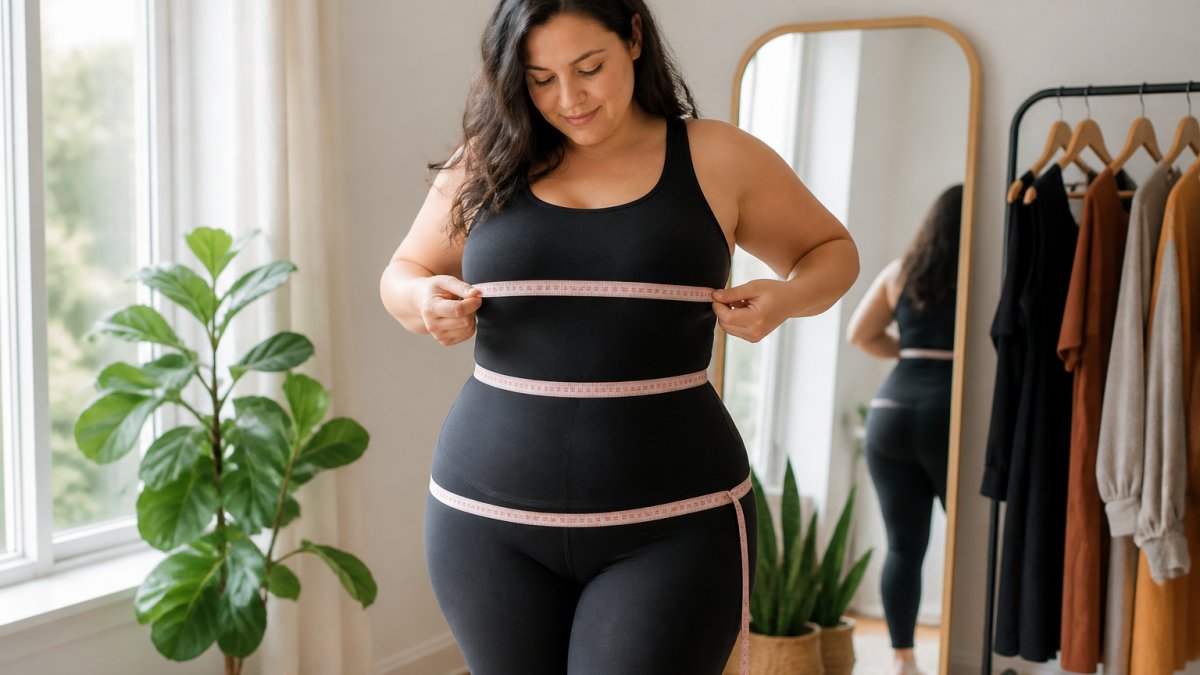
Measure yourself in fitted clothing or underwear, standing in front of a mirror with a soft measuring tape. Never measure while holding your breath or tensing your muscles.
Start with bust: measure around the fullest part of your chest, keeping the tape parallel to the ground.
Write these measurements down. They're your reference point for every size chart you encounter.
Using Size Charts Across Different Brands
Size charts show garment measurements, not body measurements. A size chart for a blouse lists the bust measurement of the garment itself, not what size body it fits. This is crucial.
Most quality retailers provide detailed size charts. Some include notes about fit ("runs large," "true to size," "designed for a relaxed fit"). The Be Spicy Tee Shirt from our collection includes specific measurements for each size, bust, body length, and sleeve length, so you can compare directly to your measurements rather than guessing based on size numbers.

When shopping across brands, spend extra time with size charts. A size 12W at one brand might have a 38-inch bust while another brand's 12W measures 40 inches. That 2-inch difference changes how the garment fits dramatically.
| Measurement Type | How to Use It | Why It Matters |
|---|---|---|
| Body measurements | Compare to garment measurements on size charts | Ensures the garment will fit your actual body |
| Garment measurements | Match to your body measurements plus desired ease | Accounts for different fit models across brands |
| Ease allowance | Add 1-3 inches to body measurement for comfortable fit | Prevents ordering too-tight garments |
| Fit notes | Read "runs large," "true to size," "relaxed fit" | Adjusts expectations beyond raw measurements |
Tips for Shopping for Plus Size Vacation Outfits
Vacation clothing requires different thinking than everyday wear. You want pieces that travel well, mix and match easily, and make you feel confident in photos and social situations.
Building Versatile Pieces for Travel
Start with neutral base pieces that work in multiple combinations. A well-fitting pair of shorts or pants in black, navy, or khaki becomes the foundation for mixing with different tops. The Wild Child Zebra Lace Shorties from Boutique Bella Bella offer a bolder option, soft stretch fabric with relaxed fit that works for both casual days and beach time.

Layering pieces extend your wardrobe's versatility. A lightweight cover-up, cardigan, or shirt jacket works over dresses and adds warmth for air-conditioned restaurants. The Cover Up Crochet Pants serve double duty as both swimwear cover and casual bottom when paired with the right top.
Choose fabrics that pack well and resist wrinkles. Natural fibers like cotton and linen breathe in warm climates but wrinkle easily. Blends with polyester maintain shape better during travel. Check care instructions, hand-wash-only pieces create laundry complications on vacation.
Finding Statement Pieces That Fit Your Body
Statement pieces, bold colors, interesting prints, eye-catching details, make vacation outfits memorable. But they only work if they fit properly. A beautiful piece that gaps at the seams or pulls across the bust becomes unwearable, no matter how much you love it.
The Diva in Chartreuse Tee exemplifies a statement piece that demands proper fit. The bedazzled graphic and vibrant color create impact only when the garment sits right on your body. This is where understanding your measurements and checking size charts becomes essential, you can't compromise on fit with bold pieces.
Look for styles that flatter your proportions. If you prefer more coverage, seek pieces with longer hemlines or structured fabrics. If you like movement, choose relaxed fits with stretch.
Size Inclusivity and Ethical Fashion Considerations
The rise of size-inclusive fashion reflects a broader shift toward recognizing that bodies come in many shapes and sizes. But size inclusivity means more than offering a wide range. It means designing each size thoughtfully, using fit models across the size range, and ensuring that larger sizes don't sacrifice quality or style.
Ethical fashion considerations intersect with sizing in important ways.
When you shop, look for brands that provide detailed size information, honest fit notes, and clear return policies. These signals indicate that the company takes sizing seriously.
The environmental impact of sizing also matters. When garments don't fit properly, they get returned or discarded, creating waste.
Finding clothing that fits well shouldn't require a degree in garment construction.
Frequently Asked Questions
Is a plus size 12 the same as a regular size 12?
No. A plus size 12W is cut differently than a straight size 12. Plus size garments feature increased hip-to-waist ratios, adjusted seam placements, and proportional scaling throughout the entire piece. A straight size 12 uses a fit model with different body proportions. The numerical label is the same, but the actual garment dimensions and construction differ significantly. Always check the size chart for the specific brand you're shopping.
What is the difference between straight sizing, extended sizing, and plus sizing?
Straight sizing covers sizes 00-12 and uses one fit model throughout the range. Extended sizing (13-16) scales up from the straight size fit model without major pattern adjustments. Plus sizing (12W and above) uses entirely different pattern grading, with adjusted hip-to-waist ratios and seam allowances designed for curvy body types. Plus size construction is intentional, not just a scaled-up version of straight sizing. Each category has its own industry standards and fit testing protocols.
How do I know if I should shop plus size or straight size clothing?
Start by measuring your bust, waist, and hips with a soft tape measure. Compare these measurements against size charts for both categories. If you consistently fall between sizes or feel pinching in the hip or bust area with straight sizes, plus size may fit better. Many people wear different sizes across categories depending on the brand and garment type. The key is checking the actual dimensions on the size chart rather than relying on the number alone. Boutique Bella Bella offers size-inclusive options, so you can try pieces in-store to find your perfect fit.
Why does clothing fit so differently between brands when I wear the same size?
Vanity sizing and inconsistent pattern grading across manufacturers create fit variations. Different brands use different fit models, seam allowances, and silhouette proportions. A size 12 at one brand may have a 2-3 inch difference in hip width compared to another. Plus size lines especially vary because some brands adjust the hip-to-waist ratio more aggressively than others. Always check each brand's size chart before ordering. When shopping in-person at Boutique Bella Bella, our staff can help you find pieces that match your actual measurements rather than guessing based on size numbers.