


Last Updated: October 23, 2026
Quick Summary
Staying stylish in texas humidity means choosing breathable natural fabrics like linen and lightweight cotton in loose, relaxed cuts that keep fabric off your skin. Add moisture-wicking underlayers, anti-chafe balm, and a small touch-up kit to handle sweat, cling, and chafing before they show.
- Linen wicks moisture, dries fast, and its natural texture hides wrinkles in humid weather.
- Skip standard polyester, nylon, and acrylic, which trap heat and seal moisture against skin.
- Choose A-line and relaxed cuts, skip digging waistbands, and go single-layer for airflow.
- Apply anti-chafe balm to dry skin before dressing, not after you feel the burn.
- Carry a light layer for cold restaurants and offices during indoor-outdoor temperature swings.
Table of Contents
- Why Texas Humidity Makes Getting Dressed So Hard
- The Best Fabrics for Hot Humid Weather
- What to Wear in Humid Weather: Fit and Silhouette Rules
- Hot Weather Outfit Ideas for Women
- Handling Sweat, Chafing, and Cling
- Humidity-Proof Hairstyles and Makeup
- Accessories, Footwear, and Indoor-Outdoor Transitions
- Conclusion
- Frequently Asked Questions
Why Texas Humidity Makes Getting Dressed So Hard
Staying stylish in extreme Texas humidity starts with one hard truth: the air is working against your closet.
At Boutique Bella Bella, we hear the same complaint every summer week: you walk out the door looking sharp, and ten minutes later your shirt is stuck to your back.
The problem is moisture. Humid air slows evaporation, so sweat sits on your skin instead of drying, which explains cling, chafing, and why heavy layers feel unbearable by mid-morning.
Want a shortcut? Our guide to Texas weather fashion lists the specific pieces that actually hold up in this climate, so you can skip the trial and error.
The Best Fabrics for Hot Humid Weather
The best fabrics for hot humid weather are natural fibers with a loose weave, because they let air pass through and pull moisture away from skin. But "natural" alone is not enough, two breathable fabrics can behave very differently once sweat enters the picture, so the useful question is which one dries, drapes, and holds up for how you plan to wear it.
Here is how the main contenders actually compare on the things that matter in Gulf Coast humidity: drying speed, cling, wrinkle behavior, and care.
| Fabric | Dries | Cling risk | Wrinkles | Care | Best for |
|---|---|---|---|---|---|
| Linen | Fast | Low | High, but looks intentional | Machine wash cold, hang dry | Outdoor afternoons, dinners, anything you want to look relaxed |
| Lightweight cotton (voile, lawn) | Moderate | Moderate when damp | Moderate | Machine wash, tumble low | Everyday errands, workwear, layering |
| Rayon | Moderate | High when damp | Low | Hand wash or gentle cycle, hang dry | Draped tops, dresses, evening looks |
| Cotton-spandex blend | Moderate | Moderate | Low | Machine wash, hang dry | Fitted pieces that need stretch |
| Moisture-wicking synthetic | Fast | Low | Low | Machine wash, tumble low | Workouts and prolonged outdoor activity |
| Polyester (standard) | Slow | High | Low | Machine wash, tumble low | Skip in humidity |
Natural Fibers That Breathe
Cotton and linen are the workhorses: breathable, sweat-friendly, and better-looking the more relaxed they get.
- Linen: The gold standard for humid weather. It wicks moisture, dries fast, and its natural texture hides wrinkles. The trade-off is that linen has almost no stretch, so fit matters more than in a blend. Look for a slightly relaxed cut rather than a body-skimming one.
- Cotton: Reliable and soft. Look for lightweight cotton voile or lawn rather than heavy canvas. Cotton dries more slowly than linen and tends to cling once damp, so it works best in loose cuts or as a base layer under something breezier.
- Rayon and blends: Rayon drapes beautifully and feels cool against the skin. A small amount of spandex adds stretch without trapping heat. The catch is that rayon can cling when wet and usually needs gentler care than cotton.
That matters. The Jess Lea Banks Basic Lettuce Tank is a 92% rayon, 8% spandex blend, exactly the kind of fabric that moves with you instead of clinging in the heat, provided you hang it to dry rather than tumble it.

Synthetic Fabrics to Skip
Polyester, nylon, and acrylic trap heat and seal moisture against your skin, the opposite of what you want.
One exception: modern moisture-wicking athletic fabrics push sweat to the surface, where it spreads and evaporates faster. They work for workouts and long outdoor activity, but not for brunch, the hand-feel and sheen read as gym wear.
How to Choose by Activity
Match the fiber to the plan:
- Errands and walking: Linen or lightweight cotton in a loose cut. You want airflow and fast drying, and you are not worried about a few wrinkles.
- Workday in and out of air conditioning: A cotton-spandex blend or a rayon top under a light cardigan. You get stretch and drape indoors, and you can shed the layer outside.
- Evening out: Rayon or a linen-blend dress. Both drape well and feel cool, and the natural texture reads as intentional rather than sloppy.
If you want to go deeper on fabric performance, our breakdown of coastal style clothing for hot, humid weather explains the trade-offs in more detail.
What to Wear in Humid Weather: Fit and Silhouette Rules
What to wear in humid weather comes down to one rule: keep fabric off your skin. Loose-fitting clothes create an air gap that lets ventilation do its job.
Three silhouette rules we follow:
- Choose A-line and relaxed cuts. They skim the body instead of gripping it.
- Skip waistbands that dig. A mid-waist rise sits more comfortably than a high, tight one.
- Go single-layer. One breathable piece beats a light layer plus a tank every time.
Length matters too: a flowy midi dress or linen set moves air better than a short, fitted skirt, and airflow around the legs makes a real difference crossing a hot parking lot.
Hot Weather Outfit Ideas for Women
Hot weather outfit ideas for women in Texas follow a simple formula: one breathable base, one loose layer, and shoes you can actually walk in. Build around that and you can dress for almost any summer occasion.
Everyday Outfit Formula
Start with a light tank, add relaxed shorts, and finish with slide sandals. That is the whole formula.
Jess Lea Banks Basic Lettuce Tank- Butter Yellow →
- Base: A lightweight tank like the Jess Lea Banks Basic Lettuce Tank in Butter Yellow, $24.99, with its lettuce hem detail for a little polish.
- Bottom: The Sunny Days Cuffed Bermuda Shorts, $54.99, with a relaxed A-line fit and high cuffed hems that keep air moving.
- Shoes: The Outwoods Joan sandals, $44.99, with a soft cushioned footbed built for all-day wear.
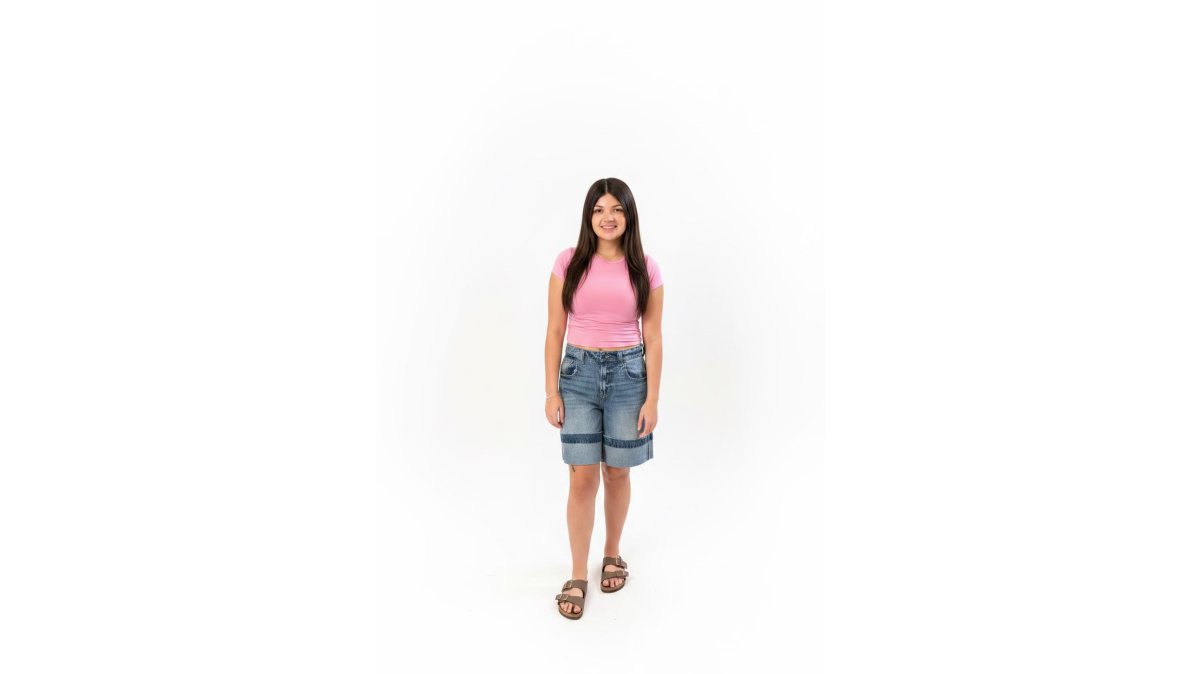
That trio handles errands, lunch, and a beach walk without a single adjustment.

Dressed-Up Outfit Formula
For evenings, swap the shorts for a flowy skirt or a midi dress. Keep the tank as your base and add one statement piece.
A sequined top or a bold necklace does the heavy lifting so the rest of the outfit can stay simple and cool. That is how you dress up without adding heat-trapping layers.
Handling Sweat, Chafing, and Cling
Sweat marks and chafing are the two things most style guides ignore, and they ruin more outfits than bad color choices ever will. The fix is prevention, not damage control.
Sweat marks show up when fabric holds moisture against the skin and friction concentrates perspiration in specific zones. Chafing happens when damp skin rubs against itself or a seam, inner thighs, under bra straps, along waistbands.
Preventing Visible Sweat Marks
- Dress shields protect delicate fabrics under the arms. Look for disposable or washable shields that adhere to the inside of the garment rather than to skin; they absorb before the outer fabric does.
- Choose prints and mid-tones for high-sweat occasions. Solid gray, light blue, and pale pink show moisture fastest; busy prints, navy, black, and olive hide it best.
- Size for airflow, not compression. A fitted top traps moisture against the body; a relaxed cut lets air move and evaporate.
On that last point, the I Don't Sweat I Sparkle hand fan is a genuine favorite of ours, generously sized, glow-in-the-dark, and a conversation starter.
Stopping Chafing Before It Starts
- Anti-chafe balm on inner thighs and under bra straps stops friction before it starts. Apply to dry skin before dressing, not after you feel the burn.
- Seam-free underlayers reduce the friction points that cause chafing in the first place. A light slip short under a dress does more than any balm applied after the fact.
- Moisture-wicking underwear matters more than most people realize. Cotton holds dampness against skin; a wicking blend moves it away.
Solving Cling and Static
- A slip under dresses prevents cling and static. Look for a lightweight, breathable slip rather than a heavy satin one.
- Anti-static spray on the inside of a skirt or dress keeps fabric from wrapping around your legs.
- Hang-dry rayon and lightweight cotton rather than tumble-drying. Dryer heat can set wrinkles and increase static.
Building a Small Humidity Kit
A tote-sized kit solves most problems before they show up:
- Dress shields or a spare lightweight top
- Anti-chafe balm
- Blotting papers
Humidity-Proof Hairstyles and Makeup
Humidity-proof hairstyles and makeup start with reducing surface area and locking products in place. Frizz comes from hair absorbing moisture, so seal the cuticle and keep strands contained.
Styles that hold up:
- Braids and twists keep hair off your neck and resist swelling.
- Low buns and chignons reduce exposure to humid air.
- Sleek ponytails with a light serum stay smooth longer.
For makeup, switch to a mattifying primer, a long-wear foundation, and a cream blush that sets down. Skip heavy powder in the morning and carry blotting papers instead. Waterproof mascara is non-negotiable.
Accessories, Footwear, and Indoor-Outdoor Transitions
Accessories, footwear, and indoor-outdoor transitions are where most hot-weather outfits quietly fall apart. Texas summer means walking from thick outdoor air into aggressive air conditioning and back again, sometimes five times a day.
Build for the swing:
- Carry a light layer for cold restaurants and offices.
- Choose shoes with cushioning, since hot pavement is hard on feet.
- Pick breathable accessories like straw hats and lightweight jewelry.
Our roundup of coastal style accessories for summer 2026 covers the pieces that finish a look and handle the temperature shifts without weighing you down.
| Situation | What to Wear | Why It Works |
|---|---|---|
| Beach walk | Tank, cuffed shorts, slides | Breathable, easy to rinse off |
| Outdoor lunch | Flowy midi dress, sandals | Airflow around legs, no waistband dig |
| Dinner out | Tank base, flowy skirt, statement jewelry | Dresses up without extra layers |
| Errands in AC | Linen set plus light cardigan | Handles indoor-outdoor swings |
| Evening event | Sequined top, midi skirt, low heels | One statement piece, minimal fabric |
Conclusion
Dressing well in Gulf Coast heat is not about magical clothing. It is about breathable fabrics, loose cuts, and a few smart accessories that work with the climate instead of against it.
That is exactly what we stock at Boutique Bella Bella. Our size-inclusive selection includes exclusive brands like Queen of Sparkles, Dingo, and Stetson, plus a curated mix of apparel, jewelry, and home goods.
Stop in and let us help you build a hot-weather wardrobe you will actually wear.
Frequently Asked Questions
What should you wear when it is really humid?
Reach for breathable natural fibers like cotton, linen, and rayon, and choose loose-fitting silhouettes that keep fabric off your skin. A light tank paired with relaxed Bermuda shorts and cushioned sandals handles heat and moisture without clinging. Skip heavy layers and synthetic blends that trap sweat. Single-layer pieces in light colors also hide sweat marks better and let air move around your body, which matters most during peak afternoon humidity.
Which fabrics are best for hot, humid weather?
Cotton and linen top the list because both allow airflow and pull moisture away from skin. Rayon blends, like the 92% rayon and 8% spandex in a basic lettuce tank, drape without sticking and stretch for comfort. Look for open weaves and lighter weights. Avoid polyester and nylon for daytime wear, since they hold heat and trap moisture against your body. Fabric choice matters more than the cut of the garment when humidity is high.
How do you keep your hair and makeup looking fresh in humid weather?
Start with a lightweight, water-based primer and a long-wear foundation, then set everything with a fine translucent powder. Cream blush holds better than powder in moisture. For hair, work with texture instead of against it: braids, low buns, and half-up styles keep strands off your neck and resist frizz. A light finishing spray or a small amount of anti-frizz serum on damp hair helps lock the style in place before you head outside.
What is the 3-3-3 rule in fashion, and can it help plan outfits?
The 3-3-3 rule means building outfits from three tops, three bottoms, and three pairs of shoes that all work together, giving you nine combinations from nine pieces. In humid weather it works well if you choose breathable fabrics and neutral colors across the set. It cuts down on decision fatigue and keeps your closet full of pieces that actually get worn. It is a packing shortcut as much as a styling one.
