


Table of Contents
- What Makes Boutique Clothing Different
- Fast Fashion vs. Boutique Quality: Where Your Money Goes
- The Real Cost-Per-Wear Analysis
- How to Find Your Personal Style and Buy What You'll Actually Wear
- Building a Capsule Wardrobe with Investment Pieces
- Signs of Quality Construction and Durability
- Is Expensive Boutique Clothing Worth It for You?
- Frequently Asked Questions
Last Updated: September 24, 2026
What Makes Boutique Clothing Different
Whether boutique clothing worth it depends on understanding how it stands apart from mass-produced fashion in several fundamental ways. These pieces are typically designed in smaller quantities, often with more attention to fabric selection, construction details, and fit. When you shop boutique, you're buying from curated collections rather than endless inventory designed to appeal to the broadest possible market.
The difference shows up immediately in how garments feel and wear. Boutique brands often source higher-quality natural textiles, premium cotton blends, linen, silk, or specialty fabrics, rather than relying on synthetic fibers optimized for cost reduction. The seam construction tends to be more deliberate, with reinforced stitching in stress points and finished seams that won't unravel after a few washes.
At Boutique Bella Bella, we focus on carrying brands that reflect this philosophy. Our curated selection includes pieces from Queen of Sparkles, known for bold statement designs with careful embellishment work, alongside classic Stetson hats engineered for durability and French Kande jewelry crafted for longevity. These aren't items designed to be replaced seasonally, they're meant to become part of your wardrobe.
The markup on boutique pieces is higher, yes. But that markup reflects real costs: smaller production runs, better materials, ethical production practices, and the expertise required to curate a collection that actually works together. Understanding where your money goes is the first step in deciding whether expensive boutique clothing is worth it for your situation.
Fast Fashion vs. Boutique Quality: Where Your Money Goes
Fast fashion operates on a fundamentally different model. Mass production minimizes per-unit costs through volume, synthetic materials, and simplified construction. A fast-fashion retailer can release dozens of new styles weekly because the barrier to production is low. The garment doesn't need to last, it's designed to be replaced.
Boutique quality works backward from durability. A higher price point allows for smaller production batches, which means the manufacturer can invest more per piece. Better fabric sourcing costs more upfront. Hand-finished details take labor time. Quality control is stricter because the brand's reputation depends on every piece meeting standards.
The practical difference emerges over time. A fast-fashion shirt might fade noticeably after five washes and develop pilling after a season of wear. The seams start separating at stress points. The synthetic fabric loses its shape. A boutique piece from quality construction holds its color, maintains its silhouette, and develops character with age.
This is where cost-per-wear analysis becomes relevant. A $25 fast-fashion item worn five times before it deteriorates has a cost-per-wear of $5. A $75 boutique piece worn 50 times over two years has a cost-per-wear of $1.50. The expensive item becomes the economical choice once you factor in actual wear and longevity.
The brands Boutique Bella Bella carries understand this math. Stetson hats, for example, are engineered to hold their shape through years of wearing and weathering. They cost more because they're built to last, not because of artificial scarcity or brand prestige alone.
The Real Cost-Per-Wear Analysis
Cost-per-wear is the most honest metric for evaluating whether expensive boutique clothing is worth it. The calculation is simple: divide the price by the number of times you'll actually wear the piece.
Start by being realistic about your wardrobe habits. That stunning Queen of Sparkles sequined top might be gorgeous, but if you wear statement pieces three times a year, your cost-per-wear is dramatically different than for someone who wears them weekly. There's no shame in that, it just changes the decision.
For investment pieces, project conservatively. If you're considering a $150 boutique jacket, estimate how many times you'll realistically wear it over the next three years. If you wear it twice a week for work, that's roughly 300 wears. Cost-per-wear: 50 cents. If you wear it for special occasions only, maybe 20 times total. Cost-per-wear: $7.50. The same piece has completely different economics depending on your actual behavior.
Many people discover they wear their boutique purchases far more than they initially expected. A well-fitting piece in your personal style tends to get worn repeatedly because it works with multiple outfits and makes you feel confident. Fast-fashion pieces, by contrast, often sit unworn because they don't integrate into your actual wardrobe or because they deteriorate before you develop the habit of wearing them.
The cost-per-wear analysis also accounts for the resale market. Quality boutique pieces hold value better than fast-fashion items. A piece you no longer wear can be sold on secondary markets, recovering 30-50% of the original cost. Fast fashion rarely resells.
How to Find Your Personal Style and Buy What You'll Actually Wear
This is where many people stumble with expensive boutique clothing. You can't make an informed decision about whether a piece is worth it if you don't know your actual style or how it fits into your life.
Start by examining what you actually wear. Not what you think you should wear or what's trending, what you reach for consistently. Look at your closet and identify the pieces you wear more than twice a week. What do they have in common? Color palette, fit, fabric feel, level of formality? That's your style foundation.
Many boutique shoppers find that their personal style is narrower than they expected. You might discover you're actually a neutral-and-basics person who occasionally adds one statement piece, rather than someone who wears bold colors daily. That insight changes everything about how you shop and what's worth the investment.
This is where shopping in person at a boutique like Boutique Bella Bella makes a difference. Our staff can help you understand how pieces actually fit your body and your life. We're not incentivized to sell you something you'll return or never wear, your satisfaction and experience matter more than a single transaction. You can try on Queen of Sparkles pieces and see how they feel on your frame, how they photograph, whether they actually match your confidence level.
The mistake most people make is buying aspirational pieces, items they think they should wear or that represent who they want to be. Expensive boutique clothing only makes financial sense if you buy pieces aligned with how you actually live. A $200 blazer is only worth it if you genuinely wear blazers regularly.
Building a Capsule Wardrobe with Investment Pieces
A capsule wardrobe is a curated collection of versatile pieces that work together, eliminating decision fatigue and ensuring high cost-per-wear on everything you own. Expensive boutique clothing fits naturally into this approach because you're buying fewer, better items.
The capsule strategy starts with a neutral foundation: well-fitting basics in your preferred colors. These don't need to be expensive, a quality basic t-shirt from a boutique might cost $35-45, but it's a workhorse piece you'll wear with everything. Build from there with pieces that layer and coordinate.
Statement pieces, like Queen of Sparkles sequined tops or French Kande jewelry, serve a specific role in a capsule. They're not everyday items, but they're worn frequently enough to justify the investment. One statement necklace worn 40 times over two years becomes economical. Five statement necklaces you occasionally wear become expensive indulgences.
The boutique approach to capsule building means you're not replacing items seasonally. You're buying pieces designed to last multiple years, which naturally limits how many items you need. A $120 boutique sweater worn 100 times over three years costs $1.20 per wear. A $30 fast-fashion sweater worn 20 times before pilling costs $1.50 per wear, and then you need to replace it.
Boutique Bella Bella's curated selection supports this philosophy. Rather than overwhelming you with 500 options, we carry pieces that actually work together. Stetson hats pair with Western-inspired pieces. French Kande jewelry coordinates with multiple styles. Queen of Sparkles items are designed to be statement pieces in a broader wardrobe, not standalone looks.
Signs of Quality Construction and Durability
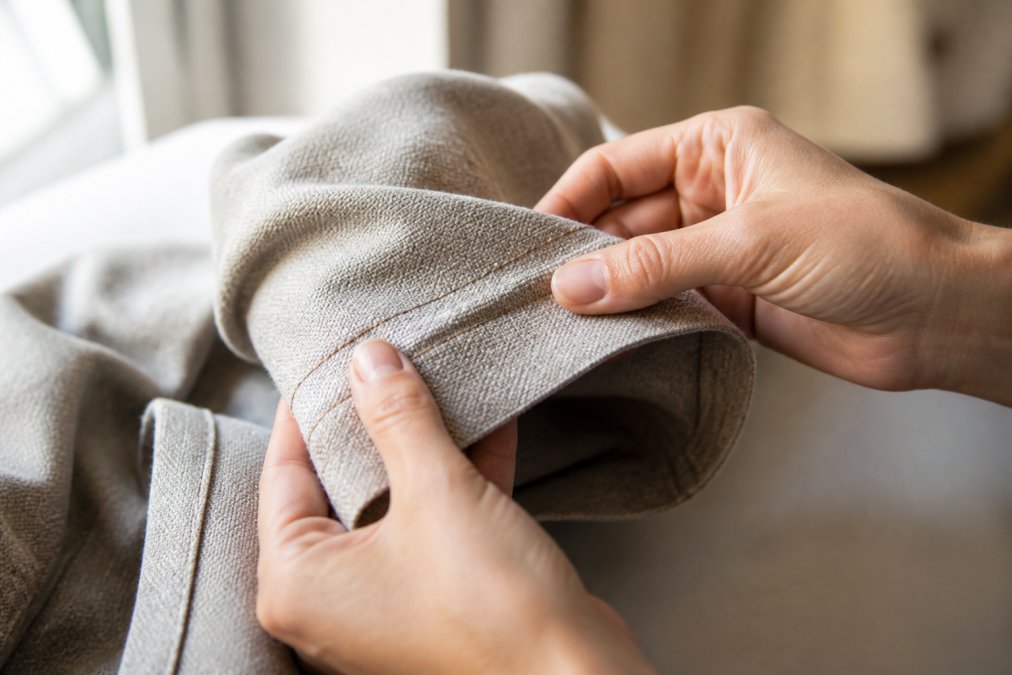
Knowing what to look for in construction quality directly impacts whether expensive boutique clothing is worth it. You're not just paying for a brand name, you're paying for tangible differences in how garments are made.
Is Expensive Boutique Clothing Worth It for You?
Whether expensive boutique clothing is worth it depends entirely on your specific situation, not on universal rules about fashion spending.
Frequently Asked Questions
Why is boutique clothing so expensive compared to fast fashion?
Boutique clothing carries higher prices due to smaller production runs, premium fabric composition, ethical production practices, and curated brand selection. Unlike mass production, boutiques source natural textiles and higher-quality synthetic fibers with better durability. The retail markup reflects the cost of personalized service, expert curation, and garment longevity, pieces designed to last multiple seasons rather than weeks. This investment in quality materials and construction justifies the price difference over time.
How do I calculate cost-per-wear to know if boutique clothing is worth it?
Cost-per-wear divides the garment's price by the number of times you'll realistically wear it. A $60 statement piece worn 50 times costs $1.20 per wear; the same piece worn 5 times costs $12 per wear. Boutique clothing wins on this metric because quality construction and timeless style versatility mean you wear items longer. Track your wardrobe staples and versatile pieces, they generate the lowest cost-per-wear. Fast-fashion alternatives worn occasionally become expensive per-wear despite lower upfront prices.
What's the difference between boutique clothing and fast fashion quality?
Boutique clothing uses superior fabric composition with natural textiles or high-grade synthetics, precision seam construction, and ethical production standards. Fast fashion prioritizes volume and trend cycles, using lower-quality materials and rushed manufacturing. Boutique pieces maintain fit and silhouette after repeated washing; fast fashion loses shape quickly. Boutique garments support capsule wardrobe building because they layer and mix well; fast fashion requires constant replacement. The durability difference means boutique clothing delivers better value over a garment's lifespan.
Can I return or resell boutique pieces if they don't work out?
Most boutiques, including Boutique Bella Bella, offer return policies for pieces that don't fit or meet expectations. Beyond returns, boutique clothing holds resale value better than fast fashion due to quality construction and brand equity. Secondary market platforms show investment pieces and wardrobe staples retain 40-60% of original value. This resale potential offsets the higher initial cost. Always check the boutique's return policy before purchasing, and know that quality pieces are easier to resell if your style evolves.
Deciding whether expensive boutique clothing is worth it ultimately comes down to your personal spending priorities and lifestyle. If you're ready to invest in quality pieces that last, Boutique Bella Bella makes that easy. Our curated selection of size-inclusive apparel from Queen of Sparkles, Stetson, and French Kande ensures you're buying pieces designed for longevity and style. Visit us in Port Aransas to find investment pieces that work for your wardrobe and your budget.