


Last Updated: October 26, 2026
Quick Summary
To dress for your body shape, measure your shoulders, bust, waist, and hips with a soft tape measure, then match those four numbers to a shape: hourglass, pear, inverted triangle, rectangle, apple, or oval. Style to balance your proportions by adding volume where you are narrow and keeping your widest point simple, and fit the largest part of your body before tailoring the rest.
- Measure over light clothing with the tape level and not pulled tight.
- Hips are measured around the fullest part, roughly 8 inches below the waist.
- Hourglass shapes look best when the waistline stays visible with belted jackets or wrap dresses.
- Pear shapes want detail above the waist, like statement necklaces and brighter tops.
- Buy for the shoulders, bust, and hip, then tailor the waist and hem.
Table of Contents
- How to Determine Your Body Shape With a Tape Measure
- Clothes for Different Body Types: What Each Shape Needs
- The Best Dresses for Your Body Type, Shape by Shape
- Body Shape Styling Tips That Work in Real Life
- Fabric, Fit, and Tailoring: The Details That Change Everything
- Body-Neutral Styling: Dress the Body You Have Today
- Try It On in Person at Boutique Bella Bella
- Frequently Asked Questions
How to Determine Your Body Shape With a Tape Measure
Learning how to dress for your body shape starts with one honest hour and a soft tape measure. Most people guess their shape wrong. The good news: you can settle the question with four numbers and no mirror drama.
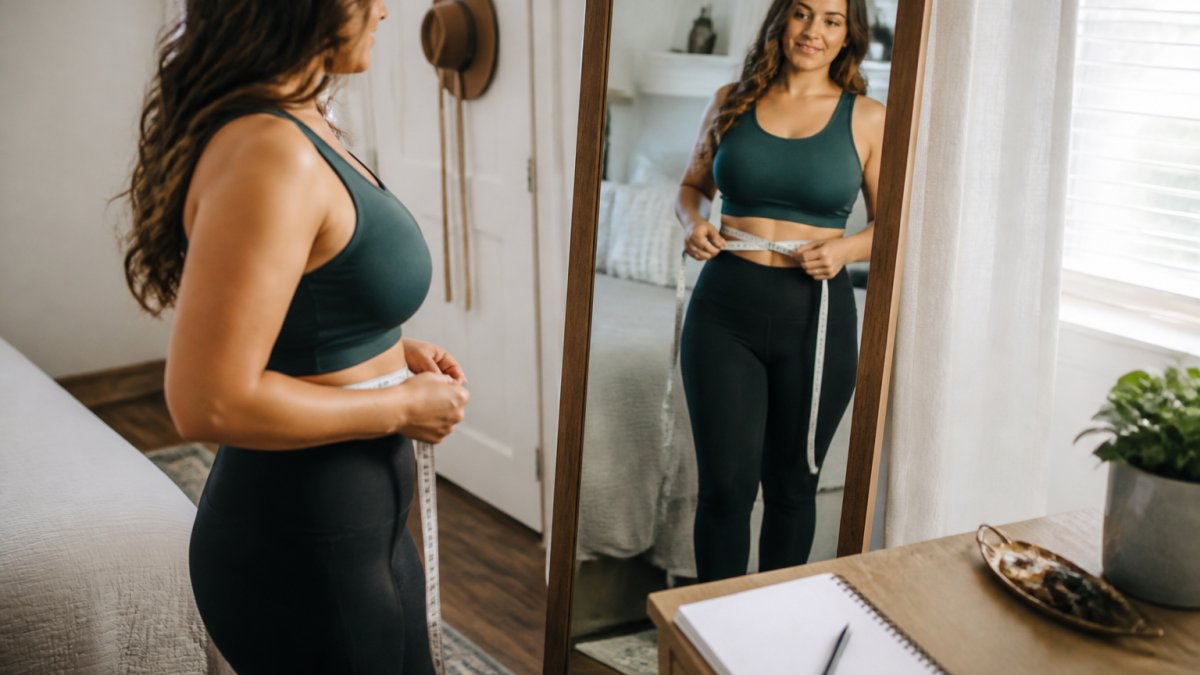
Body shape is the balance of your shoulders, bust, waist, and hips, not your size or your weight. It changes slowly, and it tells you where to add volume and where to keep things clean.
The Four Numbers You Actually Need
Measure over light clothing, keep the tape level, and do not pull it tight.
- Shoulders: across the widest point of your back, arm to arm
- Bust: around the fullest part, tape parallel to the floor
- Waist: at the narrowest point, usually just above the navel
Write the numbers down. Guessing from photos is how people end up buying the wrong cut for years.
Matching Your Measurements to a Shape
Compare your shoulders, bust, and hips first. If they are close and the waist is clearly smaller, you lean hourglass. If hips are widest, you lean pear. If shoulders are widest, you lean inverted triangle.
If your waist is the widest measurement, you lean apple or oval. If you are comparing your numbers to standard sizing charts, our guide to plus size vs standard sizing explains how the two actually fit.
Clothes for Different Body Types: What Each Shape Needs
The goal of dressing for body proportions is balance, not camouflage. You are moving the eye, not hiding anything. Here is how we break it down in the store.
| Shape | Strongest Feature | What to Add | What to Keep Simple |
|---|---|---|---|
| Hourglass | Balanced top and bottom | Belted waists, wrap tops | Bulky layers |
| Rectangle | Strong shoulders, straight line | Belts, pleats, volume at hip | Straight shifts |
| Pear | Defined waist, fuller hips | Detail up top, A-line skirts | Hip pockets |
| Apple | Great legs, bust | V-necks, open jackets | Cling at the middle |
| Inverted triangle | Strong shoulders | Volume below, scoop necks | Shoulder pads |
Hourglass and Rectangle: Build Balance
Hourglass shapes look best when the waistline stays visible. A belted jacket or a wrap dress does the work for you. Skip boxy tops that hide the waist entirely.
Rectangle shapes benefit from the opposite move: create a waist. Add a belt, choose pleated pants, and let a fit-and-flare skirt suggest a curve that is not there. A high-waisted wide leg, like our Front & Center Wide-Leg Jeans, adds shape at the hip without fuss.

Pear, Apple, and Inverted Triangle: Shift the Eye
Pear shapes want detail above the waist. Statement necklaces, brighter tops, and structured shoulders pull the eye up. Keep bottoms darker and simpler. A-line skirts and straight-leg or bootcut pants skim the hip instead of gripping it.
Apple and oval shapes do well with a V-neck and an open jacket, which creates two vertical lines down the front. Choose tops that skim rather than cling at the middle, and look for empire seams or side ruching that shape without squeezing. Straight or slightly tapered pants balance a fuller middle better than skinny cuts, which can make the top half look heavier by comparison.
Inverted triangle shapes should add volume below: A-line skirts, wide legs, and softer necklines. Scoop and V necks break up a strong shoulder line, and raglan sleeves soften the shoulder seam.
What Changes Across Sizes, Heights, and Ages
Shape labels are a starting point, not a rulebook. The same hourglass at a petite height and a tall height needs different hem and rise lengths: a midi that hits mid-calf on one person hits the ankle on another.
If you fit more than one shape, style to the dominant measurement and borrow one move from the second. A pear who also has a strong shoulder might add volume below and keep the neckline simple.
The Best Dresses for Your Body Type, Shape by Shape
The right dress solves the whole outfit in one piece. For hourglass shapes, a wrap or belted midi keeps the waist defined.
Pear shapes look strong in A-line dresses that skim the hip. Apple shapes do best in a dress with a V-neck and a seam under the bust.
Front & Center Wide-Leg Jeans →
Our Sweet Sage V-Neck Knit Midi is a good example of a body-skimming knit that works on several shapes at once.
Body Shape Styling Tips That Work in Real Life
Styling advice fails when it ignores real days. These are the tips we repeat most often at the register.
- Define the waist with a belt over a dress or blazer. Our Halo Belt was made for exactly this.
- Match your top and bottom tone to create one long line.
- Choose one focal point per outfit, then stop.
A common mistake is buying a size up to "hide" an area. That usually adds bulk. Fit the largest part of your body and tailor the rest. Readers with a curvy shape who want a deeper walkthrough can read how to dress for a curvy body type.

Fabric, Fit, and Tailoring: The Details That Change Everything
Fabric decides how a garment drapes, and drape decides how flattering it looks. Stiff fabrics hold shape and add volume. Fluid fabrics skim and follow the body. That single distinction explains more fit problems than any silhouette label.
Read the Fabric Before the Label
- Look for: Tencel, viscose, and ponte knits with a little stretch. These skim the body and recover their shape after wearing.
- Watch out: Stiff cotton in a fitted cut, which creases and pulls across the hip. Crisp cotton works better in A-line and straight cuts where it holds a clean line.
- Skip: Heavy fabrics right at your widest point. A heavy wool skirt or thick ribbed knit at the hip adds bulk that a lighter weave would not.
Stretch percentage matters as much as fiber. A ponte knit with 5% elastane recovers and holds its shape; a jersey with a high stretch content can grow through the day and lose the line you bought it for. Check the care label for fiber content and stretch, and give the fabric a gentle pull in the store to see whether it springs back.
Construction Details That Affect Fit
Seams, darts, and closures decide where a garment sits on the body. A bust dart placed correctly removes excess fabric at the side; a missing dart in a woven top shows up as pulling across the chest. A waist seam holds a dress at the natural waist, while a shift with no seam slides to wherever the body is widest.
Tailoring: What a Tailor Can and Cannot Fix
Fit beats size on the label every time. A tailor can take in a waist, shorten a hem, slim a sleeve, or move a button, usually for a modest cost relative to replacing the garment.
A practical rule: buy for the shoulders, bust, and hip, then tailor the waist and hem. If you want to see how much difference it makes, read about the benefits of tailoring plus size clothing.
Fit Checks You Can Do in the Fitting Room
- Raise your arms: the hem should not ride up past comfort, and the shoulders should not lift.
- Sit down: the waistband should not dig, and the back should not gape.
- Pinch the waist: if you can pull more than about an inch of excess fabric at the side, a tailor can take it in.
These checks catch most fit problems before you leave the store, and they work across shapes, sizes, and heights better than any single garment recommendation.
Body-Neutral Styling: Dress the Body You Have Today
Body-neutral styling means dressing the body in front of you now, not the one you plan to have later. Buy for today's measurements. Clothes that fit well look better than clothes bought for a future size.
This is the part most guides get wrong. They treat body shape as a problem to solve. For a practical walkthrough, see our guide on how to find size inclusive clothing online.
Try It On in Person at Boutique Bella Bella
Photos cannot tell you how a fabric falls or where a seam lands. That is the case for trying things on, especially when a cut is new to you.
Our shop carries a size-inclusive range, including Queen of Sparkles, Dingo, and Stetson, plus jewelry and home goods. You can also shop the Soft Touch Side-Ruched Top, which uses side ruching to shape the silhouette gently.

Frequently Asked Questions
How do I figure out my body shape if my measurements fall between two categories?
Most women land between two shapes, and that is normal. Measure your shoulders, bust, waist, and hips, then look at which two are closest in width and where your waist sits relative to them. If your waist is noticeably narrower than both your bust and hips, you lean hourglass. If your hips are clearly the widest point, you lean pear. Use the closer match as your starting point for body shape styling tips, then adjust based on what feels comfortable. Fit beats labels every time.
What clothes flatter different body shapes without following strict fashion rules?
Start with fit and fabric rather than rules. Clothes for different body types work best when the seams sit where your body actually bends, and when the fabric drapes instead of clinging. A high-rise wide-leg jean, a side-ruched top, or a belted midi dress can work on several shapes because they define the waist and skim the hips. Try pieces on, move in them, and keep what lets you sit, walk, and breathe without adjusting all day.
Can I dress for my body shape without following strict fashion rules?
Yes. Body shape guidance is a shortcut, not a rulebook. The point of knowing your proportions is to save time in the fitting room, not to ban certain cuts. Plenty of women with a fuller midsection prefer a belted jacket or a wrap dress, while others reach for a straight-cut knit midi. Body shape styling tips should give you a starting direction, and your own comfort decides the rest. If a piece makes you feel good and fits well, wear it.
What is the hardest body type to style, and does it matter?
Shoppers often ask this, but no shape is harder than another, only different. Fuller midsections usually need more attention to fabric weight and waist placement, while very tall or very petite frames need attention to length. The real difficulty is buying clothes that fit off the rack, which is why trying pieces on in person helps. At a size-inclusive boutique you can compare a few cuts side by side and see which one drapes the way you want.
Most women own a closet full of clothes that almost fit. The fix is not a new wardrobe, it is a handful of pieces chosen for your actual proportions. Boutique Bella Bella can help you get there with size-inclusive apparel, statement accessories, and a fitting room where you can see the difference for yourself. Get started with Boutique Bella Bella and find pieces that make you shine.
